
Tel: 0086-532-88966982
0086-532-88965892
Website: www.lidajituan.com
E-mail: sales@lidajituan.com
Head office: 5th Floor, Building A, Darron Center, 180 Haier Road, Qingdao, 266000, China
The Flexibility of Modular House Construction in Urban Areas
Classification:Industry News
Release time:2025-03-07 00:00
The Flexibility of Modular House Construction in Urban Areas
Urban areas, characterized by their dense populations and limited space, pose unique challenges for residential construction. Traditional building methods can be time-consuming, disruptive to the community, and often result in high costs and environmental impacts. However, with the advent of modular house construction, a new era of flexibility is dawning in urban development. This article explores how modular houses, along with related concepts such as container houses, prefab homes, office containers, and innovative construction techniques, offer adaptable solutions that cater to the dynamic needs of city living.
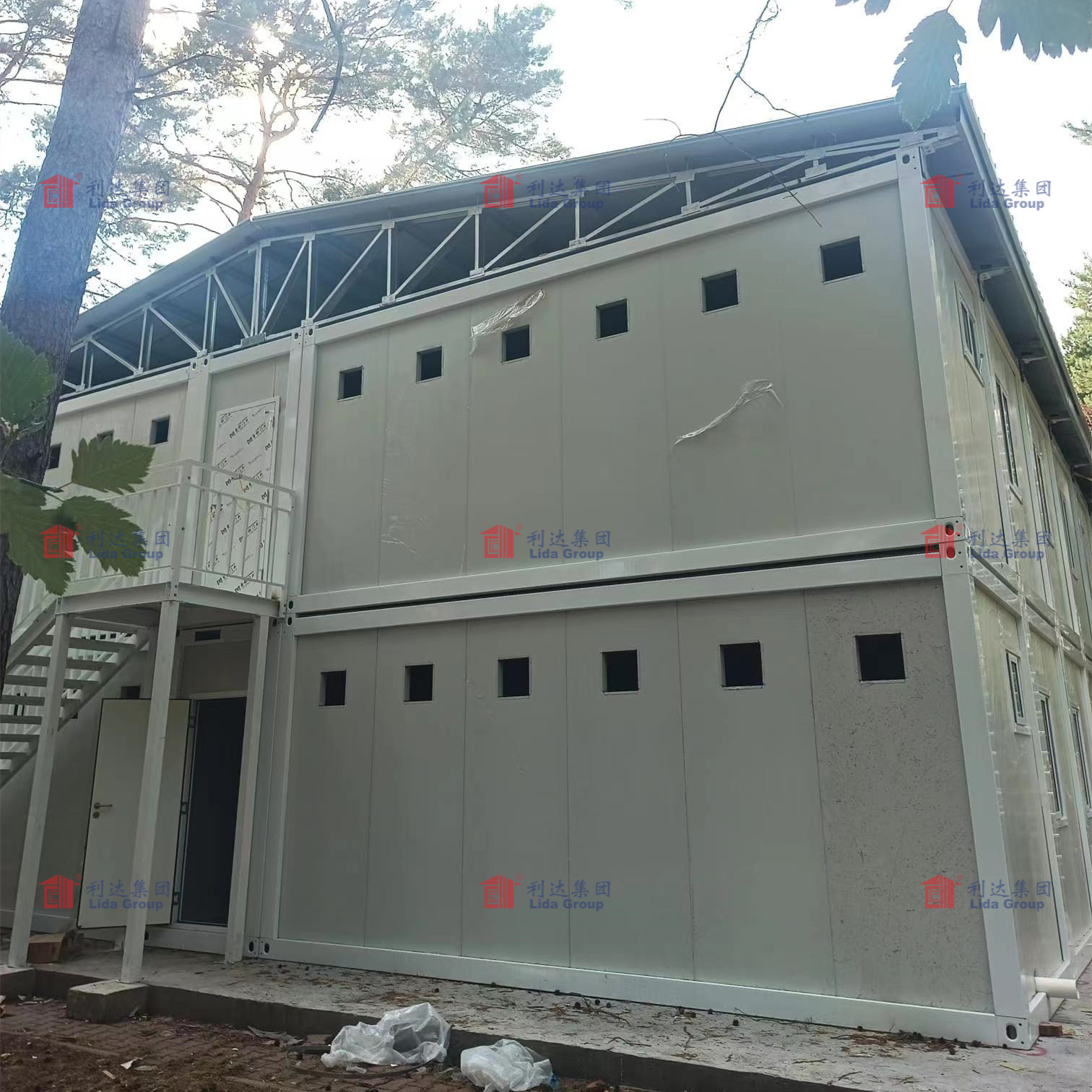
Modular Houses: A New Paradigm for Urban Living
Modular houses represent a shift from conventional on-site construction to an off-site manufacturing process where individual modules are fabricated in a controlled environment before being transported and assembled at the final location. This method significantly reduces construction time, minimizes site disruption, and ensures higher quality control. In urban areas, where every square meter counts, modular constructions allow for efficient use of available land while providing flexible designs that can adapt to various plot sizes and shapes. Moreover, modular homes can be easily expanded or reconfigured over time, making them ideal for evolving family structures or changing lifestyle requirements.
The Role of Container Houses in Urban Spaces
Container houses, built from repurposed shipping containers, have emerged as a creative and sustainable option within the realm of modular construction. Their inherent strength and durability make them suitable for urban environments, especially those prone to extreme weather conditions. In cities, container buildings can serve multiple purposes beyond just housing; they can function as pop-up shops, temporary offices, or even communal spaces like libraries or gyms. The mobility of container units allows for quick deployment in response to urban planning initiatives, providing versatile solutions that can be relocated as needed without significant investment in foundations or infrastructure.

Prefab Houses: Streamlining Urban Development
Prefabricated (prefab) houses further enhance the efficiency of modular construction by integrating nearly all aspects of homebuilding into a streamlined manufacturing process. Walls, roofs, floors, and interiors are pre-assembled in factories, reducing waste and optimizing resources. Once delivered to the site, these components can be rapidly erected, enabling swift occupancy. Prefab houses contribute to urban sustainability through the use of energy-efficient materials and technologies, such as solar panels and advanced insulation systems. Additionally, their compact nature makes them well-suited for infill development, filling gaps between existing structures and revitalizing underutilized spaces within the city fabric.
Office Containers: Transforming Work Environments
As remote work becomes increasingly prevalent, the demand for dedicated office spaces within residential areas grows. Office containers provide an excellent solution by offering self-contained work environments that can be easily integrated into modular house designs. Converted from standard shipping containers, these units can be customized to include all necessary amenities for productive workdays, including high-speed internet, ergonomic furniture, and climate control systems. Beyond their primary function, office containers can also serve as multipurpose rooms for hosting meetings, workshops, or social gatherings, enhancing the functionality of urban living spaces.
Construction Techniques: Building Smarter, Not Harder
Innovative construction techniques play a crucial role in maximizing the benefits of modular house construction in urban settings. By leveraging prefabrication and modular assembly, builders can achieve faster project timelines, lower labor costs, and reduced material waste compared to traditional methods. Furthermore, the precision engineering involved in modular construction ensures consistent quality standards across projects. For instance, modular constructions can incorporate smart building technologies, such as automated lighting and heating systems, which improve energy efficiency and user convenience. These advancements not only enhance the livability of urban spaces but also promote environmentally friendly practices.
Challenges and Opportunities in Urban Modular Construction
While modular house construction offers numerous advantages, it also presents certain challenges that must be addressed for successful implementation in urban areas. One key consideration is transportation logistics, as oversized modules may require special permits or route adjustments to navigate narrow city streets. Another challenge lies in integrating modular structures with existing urban infrastructure, ensuring compatibility with utilities and public services. However, these obstacles present opportunities for innovation and collaboration among architects, engineers, contractors, and policymakers. By working together, stakeholders can develop comprehensive strategies that facilitate the widespread adoption of modular construction in urban contexts.
Camp Houses in Urban Contexts: Bridging Nature and City Life
Although traditionally associated with rural or remote locations, camp houses can find relevance even within bustling urban centers. Adapting the concept of camp houses to urban settings involves creating green spaces and recreational areas that offer residents a respite from the concrete jungle. Modular constructions can play a vital role here by incorporating elements inspired by camp houses, such as outdoor terraces, rooftop gardens, or shared community facilities. Such features foster a connection to nature and promote healthier lifestyles amidst the fast-paced urban environment.
Conclusion
The flexibility of modular house construction represents a transformative approach to addressing the complex demands of urban living. Through the utilization of container houses, prefab homes, office containers, and cutting-edge construction techniques, modular constructions offer scalable, sustainable, and adaptable solutions tailored to the needs of modern families in urban areas. As cities continue to grow and evolve, embracing this innovative paradigm will be essential for creating vibrant, livable communities that harmonize human activity with environmental stewardship. The future of urban development lies in harnessing the potential of modular construction to build smarter, greener, and more resilient cities for all.
container house,modular house,office container,container building
Contact Us
Head Office: 5th Floor,Building A,Darron Center,No.180,Haier Road,Qingdao, 266000,China
Tel: 0086-532-88966982 88965892 Fax:0086-532-88965571
WhatsApp:+86 13793209022
Mobile/Wechat:+86-15166671720
Email: sales@lidajituan.com Website: www.lidajituan.com
Alternate Website: www.lidamodularhouse.com

Head Office: 5th Floor,Building A,Darron Center,No.180,Haier
Road,Qingdao, 266000,China
Tel: 0086-532-88966982 88965892
Fax:0086-532-88965571
Email: sales@lidajituan.com
Website: www.lidajituan.com
Wechat/WhatsApp:+86-13793209022
Copyright(c)2023 All Rights Reserved SEO Business license