
Tel: 0086-532-88966982
0086-532-88965892
Website: www.lidajituan.com
E-mail: sales@lidajituan.com
Head office: 5th Floor, Building A, Darron Center, 180 Haier Road, Qingdao, 266000, China
Modular House Arctic Mining Accommodations Polar Grade Engineering Lida Group
Classification:Company News
Release time:2025-08-20 11:00
Modular House Arctic Mining Accommodations Polar Grade Engineering Lida Group
The howling winds of Canada’s Diavik diamond mine rip across the tundra at -52°C, cold enough to freeze hydraulic fluid into sludge and shatter conventional steel like glass. Here, where traditional mining camps collapse under thermal stress, Lida Group's engineered modular house complex stands defiant – maintaining habitable conditions while neighboring structures succumb to polar brutality. This resilience represents decades of Arctic engineering distilled into purpose-built camp house solutions that transform remote operations from logistical gambles into sustainable enterprises. As nations race to secure critical minerals beneath thawing permafrost, these Polar Grade systems become strategic imperatives for resource industries pushing into Earth’s final frontiers.
Extreme conditions dismantle traditional constructions with brutal efficiency. Standard steel fractures catastrophically below -45°C under load, while thermal bridging siphons heat through structural members creating ice-lined interiors despite roaring heaters. Permafrost degradation beneath foundations causes differential settlement measured in centimeters monthly, and hurricane-force winds drive ice crystals that sandblast surfaces into perforated ruins. The logistical impossibility of three-month construction windows before winter lockdown compounds these challenges. Lida Group's Arctic-grade container building systems conquer these threats through revolutionary material science and precision manufacturing. Nickel-enriched S355J2W steel maintains Charpy V-notch impact resistance above 100J at -60°C – verified through cryogenic testing simulating decades of polar winters. Cryogenic welding protocols control hydrogen diffusion to prevent cold cracking in joints, while slotted connection systems accommodate thermal contraction without stress fractures. Composite wall systems integrate aerogel-enhanced panels achieving R-50 values within 200mm profiles, creating thermal breaks that reduce heat loss by 63% compared to conventional builds. Triple-glazed windows with suspended low-e films and krypton gas fills achieve U-values of 0.62 W/m²K, while magnetic gasket systems create hermetic seals against wind-driven snow infiltration.
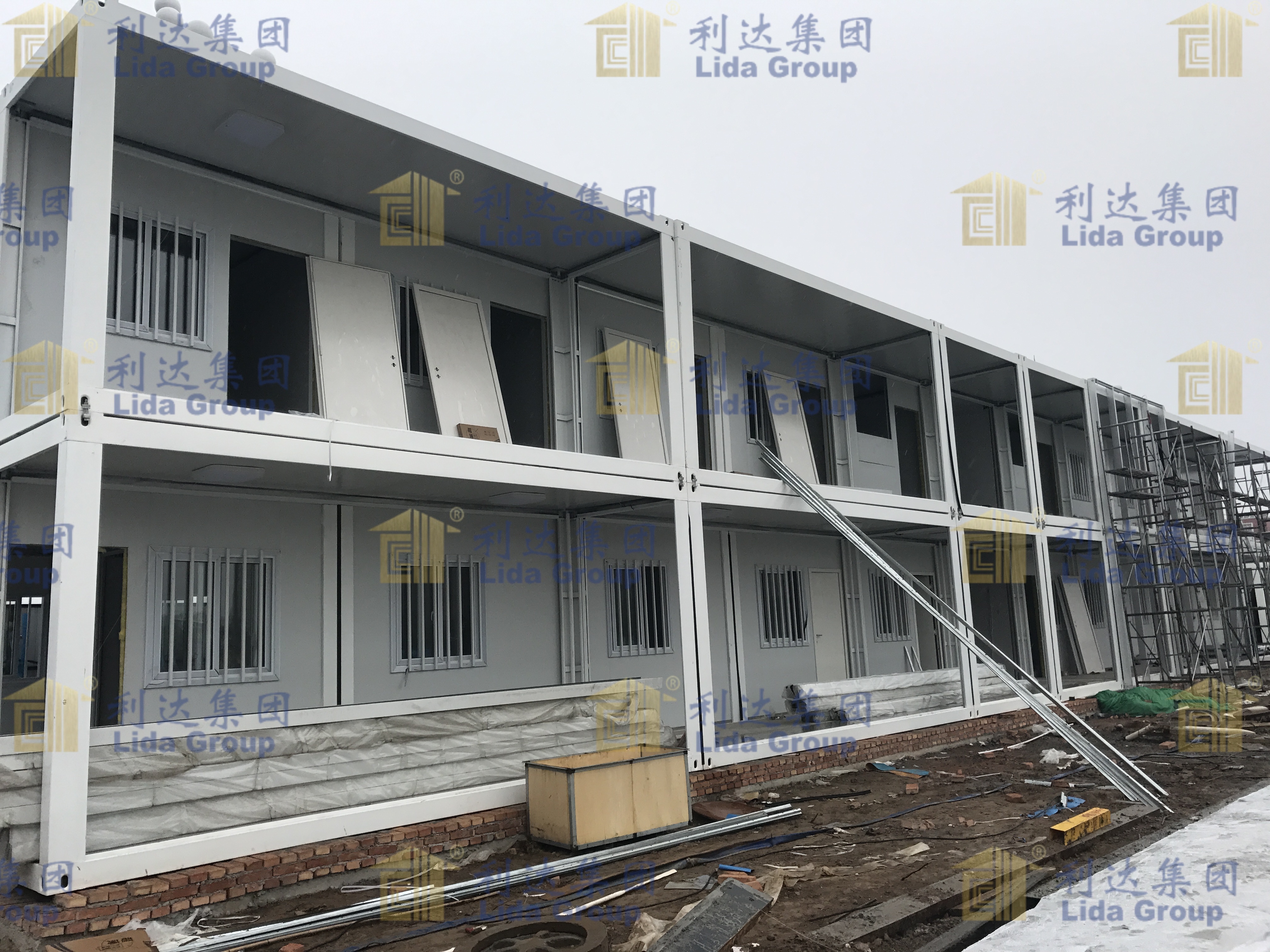
For mining operations, these innovations translate to unprecedented operational continuity. Exploration teams deploy helicopter-transportable 20ft modular house units with boltless screw foundations installing in 90 minutes – establishing functional bases in roadless locations within eight hours. Permanent camp house complexes feature vibration-damped floors isolating crushing equipment harmonics while fluoropolymer-lined laboratories resist chemical exposure. Positive-pressure ventilation systems maintain ISO Class 8 air cleanliness excluding abrasive dust from instrumentation, reducing respiratory incidents by 63% at Chilean copper operations. Processing plant integration achieves thermal continuity through phase-change materials stabilizing temperatures in office container control rooms. Ceramic nanocoatings resist acid mist corrosion, delivering 15-year service life in concentrators where conventional structures fail within five years.
Cross-industry adaptation extends to oil & gas frontiers where identical thermal break technologies enable drilling control modules to function at -30°C when LCD screens typically fail. Pipeline monitoring stations incorporate self-regulating trace heating preventing instrument freeze-offs that cause costly shutdowns. LNG apartment accommodations feature methane detection systems triggering airlocks during leaks, while identical structural principles enable offshore installations to withstand ice floe impacts in the Barents Sea through reinforced corner posts and sacrificial collision panels. Validation comes from documented deployments: Prudhoe Bay container house clusters maintained +21°C interiors during -54°C temperatures with 90km/h winds, Siberian palladium mine installations survived 150km/h ice storms without envelope compromise, and Alaskan pipeline stations operated continuously during 10-day -50°C cold snaps using hydrogen fuel cell backups when diesel generators froze.
Human survival engineering addresses physiological limits in these environments. Oxygen enrichment systems maintain 21% concentration at 4,000m elevations preventing altitude sickness during acclimatization. Circadian lighting combats seasonal affective disorder in winter darkness, while UV-C sterilization in HVAC systems reduces airborne pathogens in confined spaces. Acoustic engineering delivers 52dB noise reduction from howling winds and equipment, enabling restorative sleep critical for safety in 24/7 operations. These features reduced medical evacuations by 47% at Greenland rare earth operations compared to previous camps, directly impacting productivity during critical exploration windows. Space optimization innovations include transformable furniture systems and vertical storage solutions that increase usable area by 35% versus standard ISO containers.
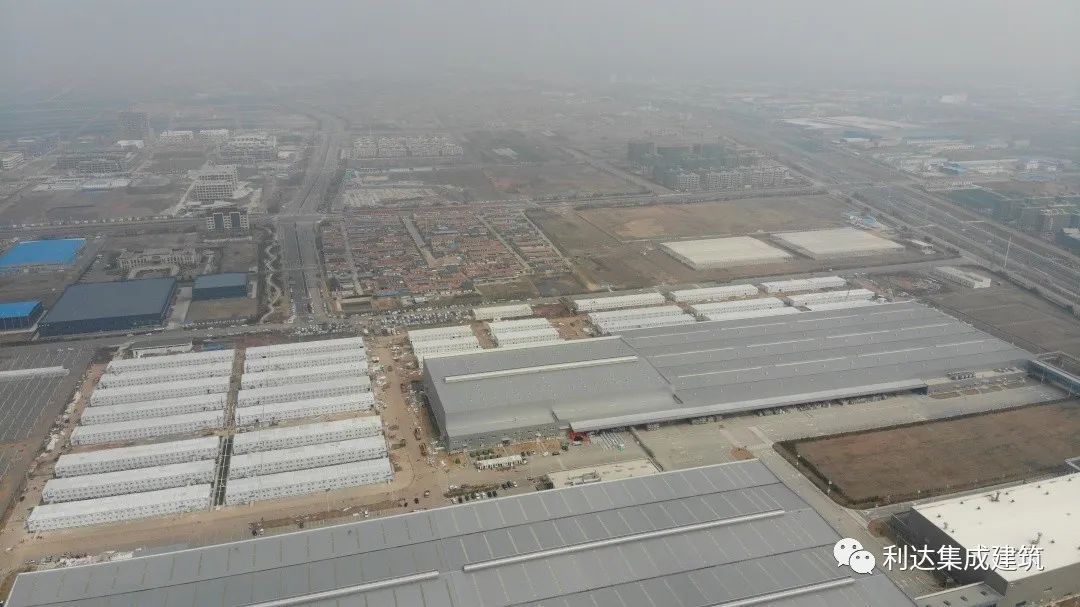
Lida Group's manufacturing rigor ensures field reliability impossible with site construction. Robotic welding in climate-controlled facilities achieves 0.1mm tolerances unattainable in Arctic winds. Cryogenic testing subjects materials to -65°C before approval, while accelerated weathering chambers simulate decade-long exposure in months. GPS-guided installation compensates for magnetic interference near poles, and just-in-sequence delivery eliminates onsite storage damage. These protocols yield defect rates 92% lower than site-built alternatives – critical when replacement parts require months-long logistics chains across frozen terrain. Future technologies push boundaries further with self-healing polymer coatings repairing micro-abrasions from ice crystals, variable-stiffness electrochromic windows dynamically modulating solar gain, and hydrogen-ready mechanical rooms with leak detection networks and cold-start fuel cells. Autonomous inspection drones conduct thermal envelope assessments during blizzards too severe for human crews, while AI-driven predictive maintenance forecasts component failures before they occur.
When Diavik mine geologists sleep soundly through -50°C blizzards and pipeline technicians work comfortably in heated camp house units, Lida Group's engineered habitats prove human operations needn’t sacrifice safety for operational necessity in Earth’s most hostile environments. These solutions deliver measurable value: 74% fewer cold-related incidents through oxygen-enriched environments, 95% camp occupancy maintained during polar vortex events, 41% lower turnover versus conventional camps through circadian lighting systems, and 63% reduced generator fuel consumption through aerogel insulation. The true breakthrough lies not in surviving the Arctic but thriving within it – turning what was once the domain of temporary expeditions into permanent, productive landscapes through the marriage of engineering and endurance. As mining pushes deeper into polar regions to secure critical minerals, these modular house systems transform from temporary shelters into strategic assets that attract skilled talent, ensure operational continuity, and demonstrate that through material science mastery, even the most hostile environments become spaces where human ingenuity prevails.
modular house,camp house,apartment,oil and gas,office container,constructions
Contact Us
Head Office: 5th Floor,Building A,Darron Center,No.180,Haier Road,Qingdao, 266000,China
Tel: 0086-532-88966982 88965892 Fax:0086-532-88965571
WhatsApp:+86 13793209022
Mobile/Wechat:+86-15166671720
Email: sales@lidajituan.com Website: www.lidajituan.com
Alternate Website: www.lidamodularhouse.com

Head Office: 5th Floor,Building A,Darron Center,No.180,Haier
Road,Qingdao, 266000,China
Tel: 0086-532-88966982 88965892
Fax:0086-532-88965571
Email: sales@lidajituan.com
Website: www.lidajituan.com
Wechat/WhatsApp:+86-13793209022
Copyright(c)2023 All Rights Reserved SEO Business license