
● NEWS CENTER
Tel: 0086-532-88966982
0086-532-88965892
Website: www.lidajituan.com
E-mail: sales@lidajituan.com
Head office: 5th Floor, Building A, Darron Center, 180 Haier Road, Qingdao, 266000, China
The Revelation of Modular Buildings from the California Wildfires
Classification:Focused Henglida
Release time:2025-03-10 10:13
The Revelation of Modular Buildings from the California Wildfires
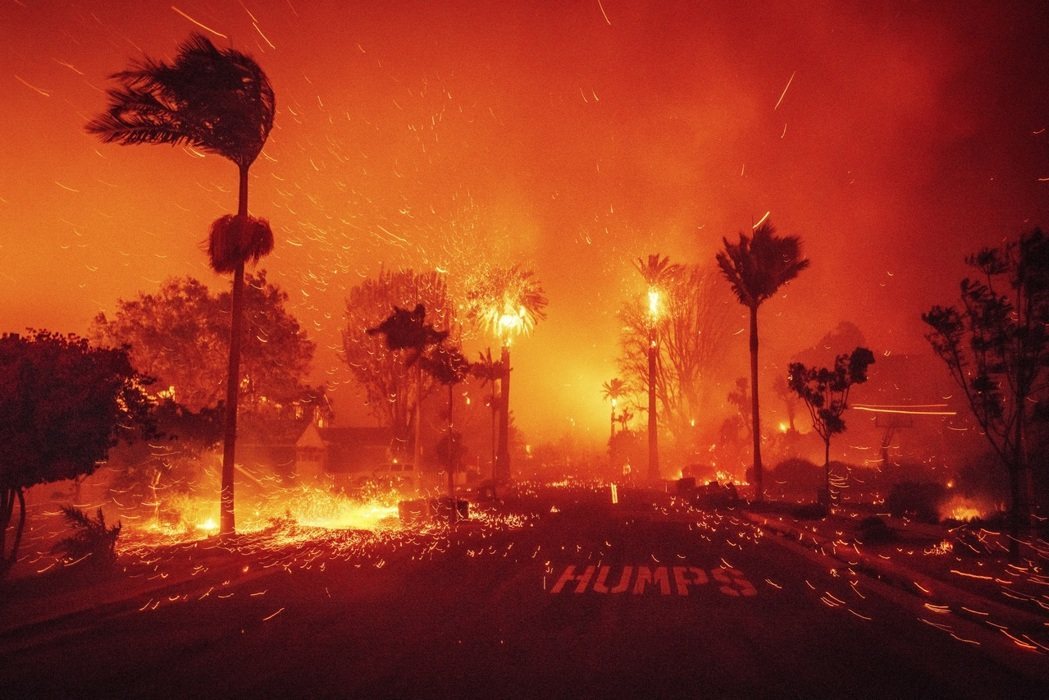
In 2025, California faced another devastating wildfire season, which brought to light not only the need for improved forest management and emergency response strategies but also highlighted a critical aspect of disaster recovery: housing. With countless homes destroyed and communities displaced, there emerged an urgent requirement for rapid, sustainable, and resilient rebuilding solutions. One such solution that gained significant attention was modular building technology. This article explores how the 2025 California wildfires have acted as a catalyst for innovation in the construction industry, particularly with respect to modular buildings.

Understanding Modular Buildings
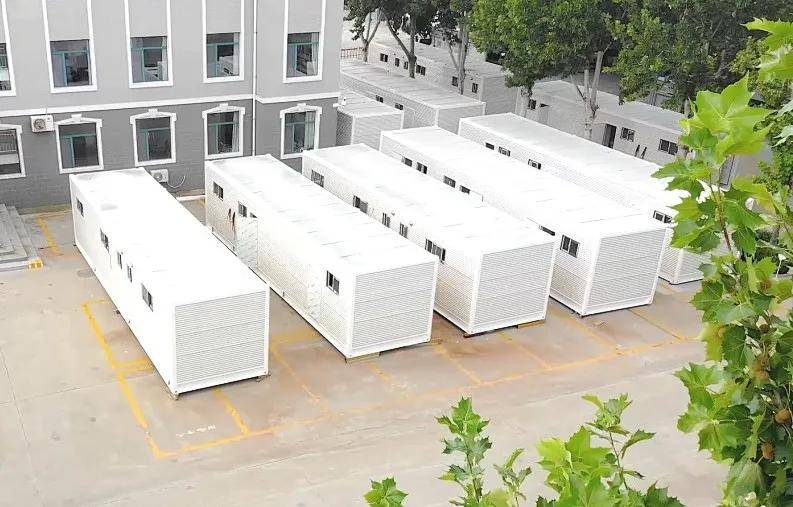
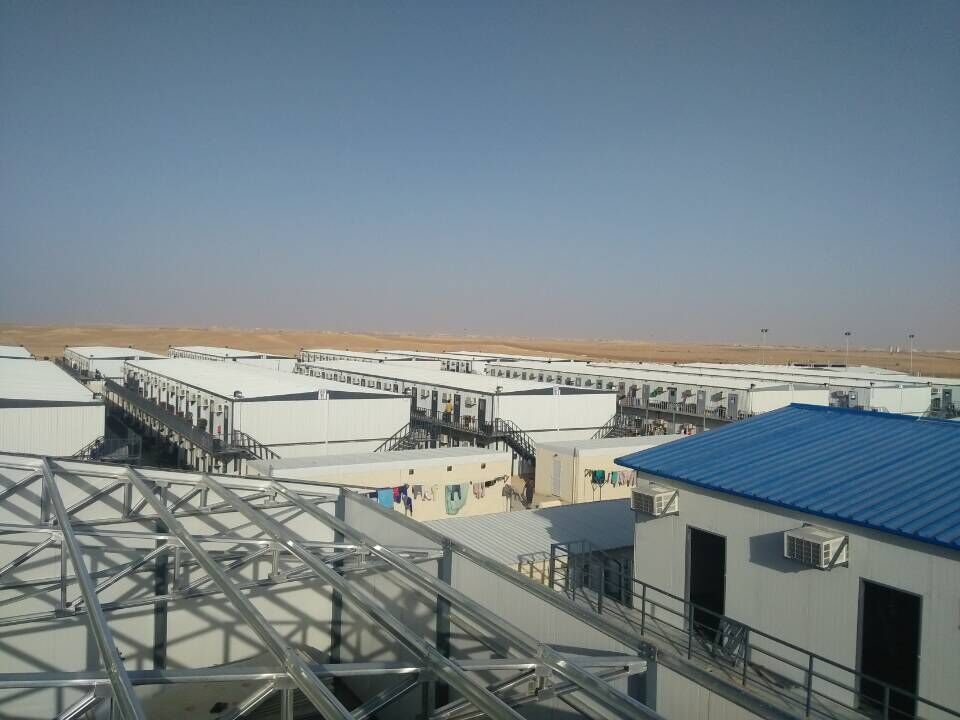
Modular buildings are prefabricated structures constructed off-site in controlled factory environments using the same materials and adhering to the same codes and standards as conventional on-site construction. They are transported to their final destination in sections or modules and assembled on-site. Modular construction can be temporary or permanent and is used for a wide range of applications, from single-family homes to multi-story commercial buildings.
Advantages of Modular Construction
The advantages of modular buildings include speed of delivery, cost efficiency, quality control, and sustainability. Because they are built concurrently with site work, modular buildings can significantly reduce overall project timelines. Additionally, the indoor construction environment minimizes weather-related delays and ensures consistent product quality. Moreover, modular construction often results in less waste and greater material efficiency, aligning well with green building practices.
The Impact of the 2025 Wildfires
The 2025 wildfires left a trail of destruction across California, necessitating a swift and effective rebuilding strategy. Traditional construction methods were too slow and costly to meet the immediate needs of affected residents. In contrast, modular buildings offered a faster alternative for those who had lost their homes. The ability to quickly deliver functional living spaces allowed communities to recover more rapidly while providing a safe and stable environment for rebuilding efforts.
Disaster Relief and Temporary Housing
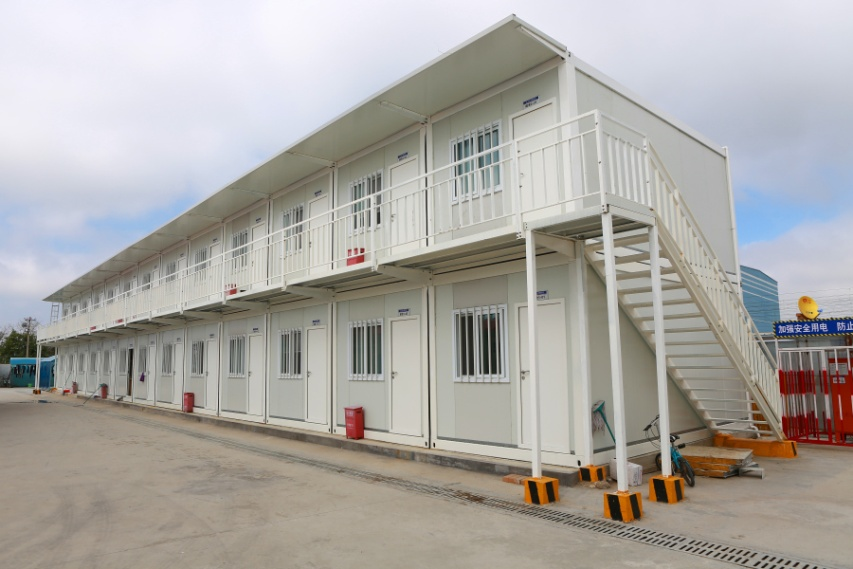
During and immediately after disasters, temporary housing becomes crucial. Modular units can be deployed rapidly to provide shelter for evacuees and first responders. These units can be designed to accommodate various needs, including medical facilities, command centers, and transitional housing for displaced families. After the fires, many Californians found solace in these temporary shelters until permanent residences could be established.
Innovation in Response to Crisis
The urgency created by the wildfires spurred innovation within the modular construction sector. Manufacturers adapted their designs to better suit fire-prone areas, incorporating fire-resistant materials and advanced safety features. Furthermore, there was an increased emphasis on creating aesthetically pleasing and customizable modules that could blend seamlessly into existing neighborhoods.
Resilient Design Features
Resilience became a key focus in the design of new modular homes. Builders incorporated fire-rated exterior walls, non-combustible roofing materials, and defensible space planning to mitigate future fire risks. Some models even featured integrated water storage systems for firefighting purposes and energy-efficient technologies to reduce dependency on external utilities.
Economic Considerations
Economically, modular buildings present an attractive option for post-disaster reconstruction. They offer a lower initial cost compared to traditional construction, especially when considering the time savings associated with faster build times. For local governments and insurance companies, the reduced financial burden of modular construction means more resources can be allocated toward community recovery and long-term resilience initiatives.
Environmental Sustainability
Environmental concerns played a major role in the shift towards modular construction following the wildfires. Building sustainably not only supports ecological preservation but also contributes to the creation of healthier living environments for residents. Modular manufacturers responded by adopting eco-friendly practices, such as using recycled content, minimizing waste, and employing renewable energy sources during production.
Green Building Certifications
To further enhance their appeal, many modular home providers sought green building certifications like LEED (Leadership in Energy and Environmental Design) or Passive House standards. Such certifications ensure that the buildings meet rigorous environmental performance criteria, adding value to the properties and potentially reducing long-term operational costs.
Social Acceptance and Community Integration
One challenge facing modular construction is social acceptance. Historically, some communities have resisted modular developments due to perceptions of lower quality or aesthetics. However, the crisis presented by the wildfires changed this narrative. As people witnessed firsthand the benefits of modular housing—speed, durability, and affordability—the stigma began to dissipate. Communities started to embrace modular homes as viable options for both short-term relief and long-term living.
Customization and Flexibility
Manufacturers recognized the importance of customization to foster community integration. By offering flexible floor plans and exterior finishes, modular homes could now reflect the character of local architecture. This approach helped to alleviate concerns about visual impact and ensured that new developments would harmonize with surrounding areas.
Policy and Regulatory Frameworks
The adoption of modular construction for disaster recovery also prompted changes in policy and regulation. Local authorities streamlined permitting processes to expedite approvals for modular projects. At the state level, incentives were introduced to encourage the use of resilient building techniques and materials. These policies facilitated the transition to modular construction and supported the growth of the industry.
Conclusion
The 2025 California wildfires served as a pivotal moment for modular construction, revealing its potential as a transformative force in disaster recovery and resilience. Through innovative design, economic feasibility, environmental sustainability, and social adaptability, modular buildings have proven themselves as valuable assets in the face of adversity. As California continues to rebuild, it does so with a renewed appreciation for the capabilities of modular technology, setting a precedent for future responses to natural disasters.
Lida Group - Your Professional Camp Housing Solution Provider, learn more please click here: https://www.lidajituan.com
modular house,modular building,camp house,constructions,California Wildfires
Contact Us
Head Office: 5th Floor,Building A,Darron Center,No.180,Haier Road,Qingdao, 266000,China
Tel: 0086-532-88966982 88965892 Fax:0086-532-88965571
WhatsApp:+86 13793209022
Mobile/Wechat:+86-15166671720
Email: sales@lidajituan.com Website: www.lidajituan.com
Alternate Website: www.lidamodularhouse.com

Head Office: 5th Floor,Building A,Darron Center,No.180,Haier
Road,Qingdao, 266000,China
Tel: 0086-532-88966982 88965892
Fax:0086-532-88965571
Email: sales@lidajituan.com
Website: www.lidajituan.com
Wechat/WhatsApp:+86-13793209022
Copyright(c)2023 All Rights Reserved SEO Business license