
Tel: 0086-532-88966982
0086-532-88965892
Website: www.lidajituan.com
E-mail: sales@lidajituan.com
Head office: 5th Floor, Building A, Darron Center, 180 Haier Road, Qingdao, 266000, China
The Advantages of Steel Structure Buildings in the Construction Industry
Classification:Industry News
Release time:2025-03-14 09:12
The Advantages of Steel Structure Buildings in the Construction Industry
In the construction industry, steel structure buildings have emerged as a popular choice for their versatility, durability, and cost-effectiveness. Steel frame construction offers numerous advantages over traditional building materials, making it a preferred option for a wide range of projects. From metal building structures to prefabricated steel buildings, the use of steel in construction has revolutionized the way buildings are designed and erected. This article explores the various advantages of steel structure buildings, their design principles, materials used, and the role of steel structures in modern architecture and construction practices.
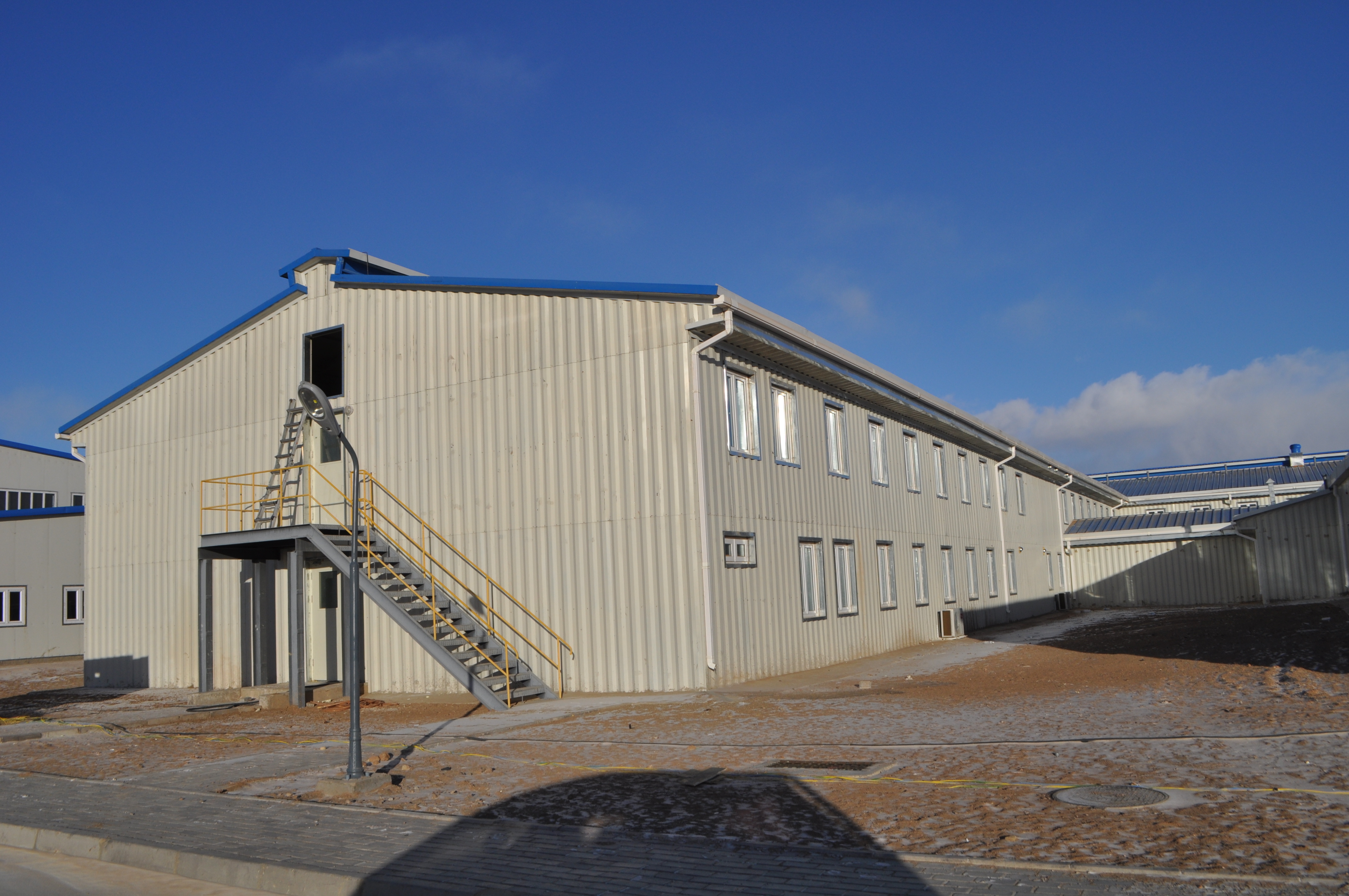
Advantages of Steel Structure Buildings:
-
Strength and Durability:
Steel is known for its exceptional strength-to-weight ratio, making it one of the strongest building materials available. Steel structures can withstand high winds, seismic forces, and heavy loads, providing a robust and durable framework for various types of buildings. Whether it's a light steel structure for residential housing or a heavy steel structure for industrial facilities, steel buildings offer superior structural integrity and longevity. -
Speed of Construction:
Prefabricated steel buildings can be erected quickly and efficiently, reducing construction timelines significantly. The use of standardized steel components and advanced manufacturing processes allows for rapid assembly on-site, saving time and labor costs. Steel frame construction enables builders to meet tight project deadlines and deliver projects on schedule, making it a preferred choice for time-sensitive construction projects. -
Design Flexibility:
Steel structures offer unparalleled design flexibility, allowing architects and designers to create a wide range of architectural styles and configurations. The versatility of steel building design extends to both interior and exterior elements, enabling innovative and customized building solutions. Whether it's sleek and modern or traditional and ornate, steel structure buildings can be tailored to meet the unique requirements of each project. -
Cost-Effectiveness:
Steel buildings are a cost-effective construction option due to several factors, including material efficiency, reduced construction time, and ease of maintenance. The long lifespan of steel structures and minimal maintenance requirements contribute to overall cost savings over the building's lifecycle. Additionally, the recyclability of steel makes it an environmentally friendly and sustainable building material, aligning with green construction practices. -
Sustainability and Environmental Benefits:
Steel is a highly sustainable material with significant environmental benefits. Steel buildings are energy-efficient, allowing for better insulation and reduced energy consumption. The recyclability of steel contributes to a circular economy approach, where steel components can be repurposed or recycled at the end of their useful life. Steel structures also have a lower carbon footprint compared to traditional building materials, making them a sustainable choice for environmentally conscious construction projects.
Steel Building Design and Construction:
The design and construction of steel structure buildings involve careful planning, engineering considerations, and precision in assembly. Steel building design encompasses factors such as load-bearing capacity, structural stability, and architectural aesthetics. Advanced software tools and modeling techniques are used to optimize the design process and ensure structural integrity.
Steel building materials are selected based on specific project requirements, taking into account factors such as environmental conditions, building function, and design preferences. High-quality steel components are manufactured with precision to meet engineering specifications and design standards, ensuring consistency and quality in construction.
Steel structure architecture encompasses a wide range of building types, including residential homes, commercial buildings, industrial facilities, and institutional structures. The versatility of steel allows for the construction of diverse architectural styles, from sleek and modern to traditional and rustic. Steel structures can be combined with other building materials to create hybrid construction solutions that leverage the strengths of each material.
Advantages and Disadvantages of Steel Buildings:
While steel structure buildings offer numerous advantages, there are also some considerations to keep in mind. One of the primary advantages of steel buildings is their strength and durability, which ensures long-term performance and structural stability. Steel structures are also highly customizable, allowing for unique architectural designs and flexible building configurations.
On the flip side, steel buildings may be susceptible to corrosion if not properly treated or maintained. Rust and deterioration can compromise the structural integrity of steel components, affecting the building's longevity. Additionally, steel structures can be affected by temperature fluctuations and expansion and contraction, requiring proper design considerations to address these issues.
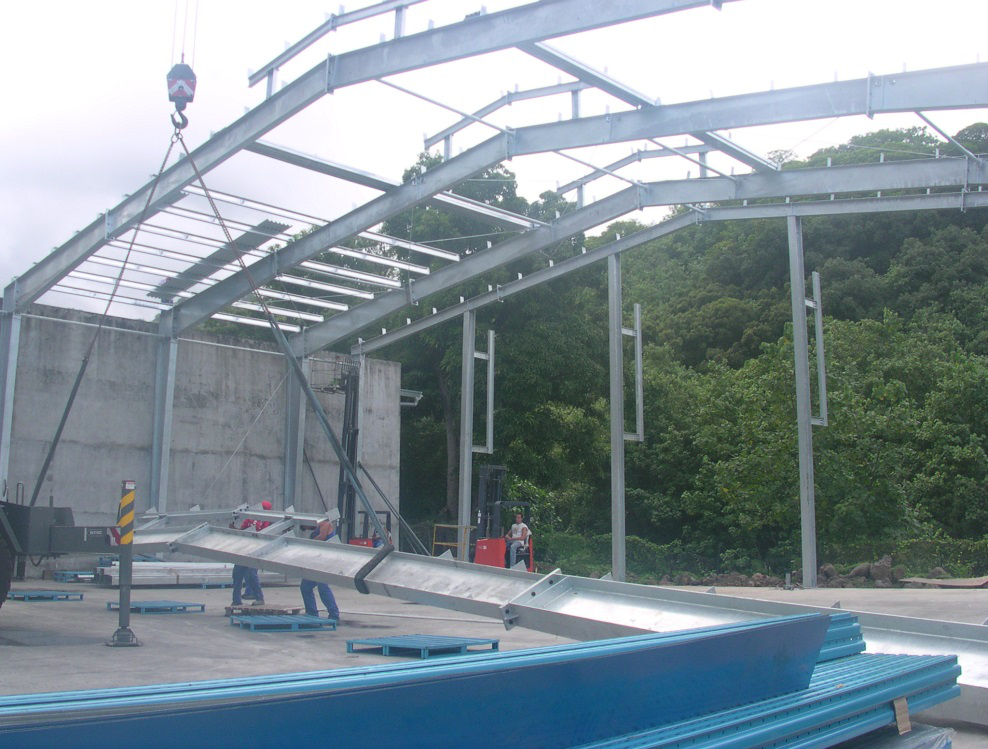
Role of Steel Structures in Modern Construction Practices:
In the construction industry, steel structures play a vital role in shaping modern architecture and building practices. Steel buildings are favored for their strength, durability, and sustainability, making them a preferred choice for various construction projects. Steel frame construction is widely used in residential, commercial, and industrial applications, offering a reliable and cost-effective building solution.
Constructions contractors and builders rely on steel structures for their efficiency, speed of construction, and design flexibility. Steel buildings can be tailored to meet specific project requirements, allowing for customized solutions that align with client needs and site conditions. In China, steel structure buildings are widely used in urban development, infrastructure projects, and industrial complexes, showcasing the country's expertise in steel construction practices.
Conclusion:
Steel structure buildings offer a host of advantages that make them a preferred choice in the construction industry. From strength and durability to design flexibility and sustainability, steel buildings embody the principles of modern construction practices. As technology continues to advance and building materials evolve, steel structures will continue to play a significant role in shaping the built environment. By leveraging the advantages of steel frame construction, architects, engineers, contractors, and developers can create innovative and sustainable building solutions that meet the needs of today's ever-changing construction landscape.

steel structure,steel structure wareshouse,workshop,light steel structure,constructios,teel Structure Buildings
Contact Us
Head Office: 5th Floor,Building A,Darron Center,No.180,Haier Road,Qingdao, 266000,China
Tel: 0086-532-88966982 88965892 Fax:0086-532-88965571
WhatsApp:+86 13793209022
Mobile/Wechat:+86-15166671720
Email: sales@lidajituan.com Website: www.lidajituan.com
Alternate Website: www.lidamodularhouse.com

Head Office: 5th Floor,Building A,Darron Center,No.180,Haier
Road,Qingdao, 266000,China
Tel: 0086-532-88966982 88965892
Fax:0086-532-88965571
Email: sales@lidajituan.com
Website: www.lidajituan.com
Wechat/WhatsApp:+86-13793209022
Copyright(c)2023 All Rights Reserved SEO Business license