
Tel: 0086-532-88966982
0086-532-88965892
Website: www.lidajituan.com
E-mail: sales@lidajituan.com
Head office: 5th Floor, Building A, Darron Center, 180 Haier Road, Qingdao, 266000, China
Examining the Pros and Cons of Steel Building Construction
Classification:Industry News
Release time:2025-03-11 05:00
Examining the Pros and Cons of Steel Building Construction
Steel building construction has become increasingly popular in the modern architectural landscape due to the versatility, durability, and cost-effectiveness of steel structures. From steel frame construction to prefabricated steel buildings, the use of steel offers numerous advantages for a wide range of building projects. However, like any construction method, steel building construction comes with its own set of pros and cons that need to be carefully considered. This article delves into the pros and cons of steel building construction, exploring the benefits, challenges, and applications of steel structures in the construction industry, with a focus on the innovative practices of companies like Lida Group in this field.
Pros of Steel Building Construction:
-
Strength and Durability:
One of the primary advantages of steel building construction is the strength and durability of steel structures. Steel frame construction offers exceptional structural integrity, allowing buildings to withstand heavy loads, harsh weather conditions, and seismic forces. Steel buildings are known for their longevity and resilience, making them a reliable choice for various building applications, from workshops to steel warehouses. -
Design Flexibility:
Steel structures provide architects and designers with unparalleled design flexibility. The versatility of steel allows for unique and innovative architectural designs, ranging from modern and sleek to traditional and industrial. Steel frame construction enables customization and adaptation to specific project requirements, offering endless possibilities for creative building solutions that meet client preferences. -
Speed of Construction:
Prefabricated steel buildings can be assembled quickly and efficiently, reducing construction timelines significantly. The off-site manufacturing of steel components and the standardized construction processes enable rapid on-site assembly, leading to faster project completion. Steel buildings are ideal for time-sensitive projects that require efficient construction practices. -
Cost-Effectiveness:
Steel building construction offers cost-effective solutions due to several factors, including material efficiency, reduced labor costs, and minimal maintenance requirements. The long lifespan of steel structures and the ease of maintenance contribute to overall cost savings over the building's lifecycle. Prefabricated steel buildings provide an economical building option that aligns with sustainability practices and green construction principles. -
Sustainability and Environmental Benefits:
Steel structures are environmentally sustainable and energy-efficient building solutions. Steel is a recyclable material, allowing for the repurposing and recycling of components at the end of their useful life. Steel buildings support energy-efficient design practices, promoting better insulation and reduced energy consumption. The environmental benefits of steel building construction make it a sustainable choice for eco-conscious projects.
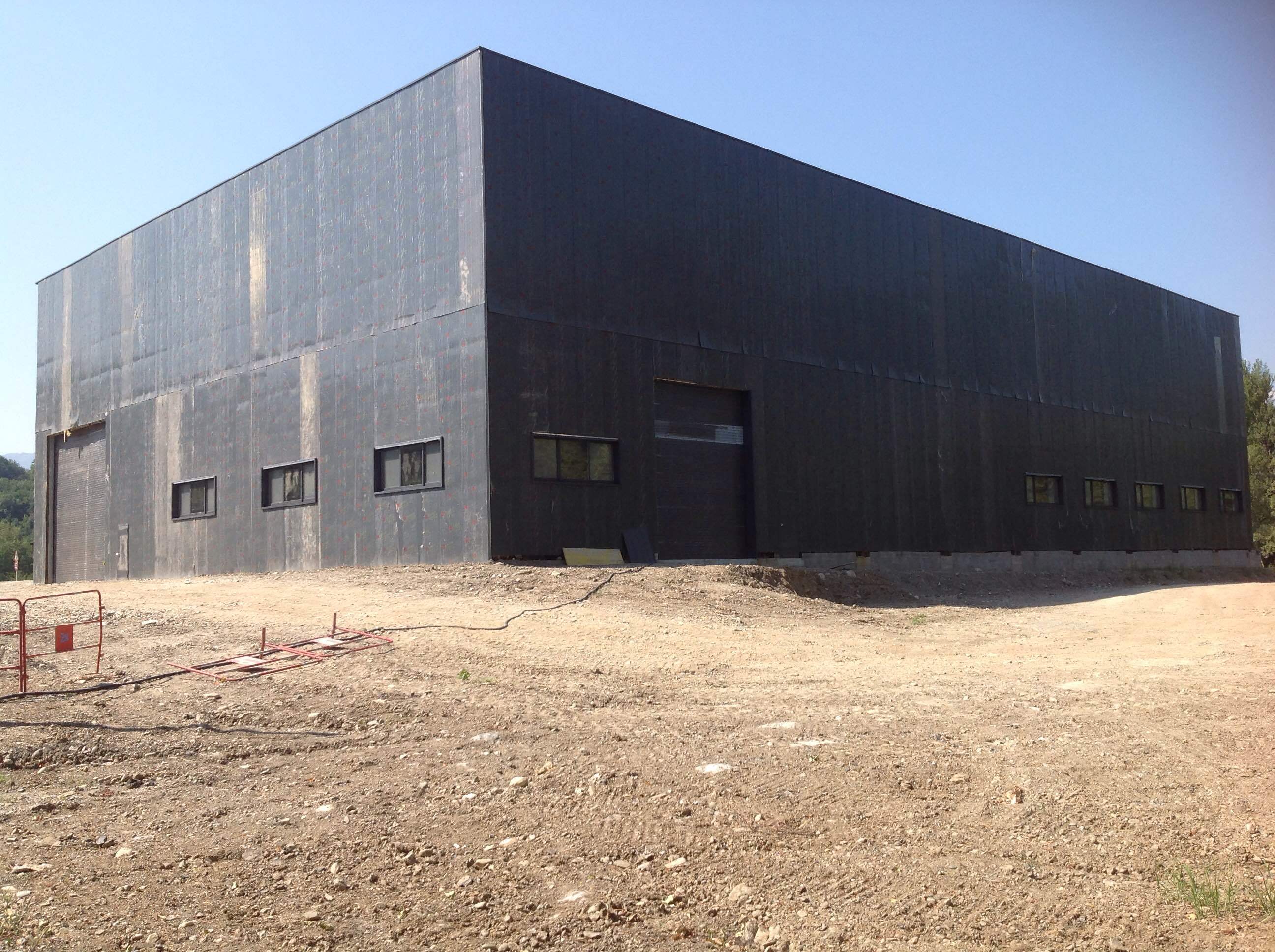
Cons of Steel Building Construction:
-
Corrosion and Rust:
Steel structures are susceptible to corrosion and rust if not properly treated or maintained. Exposure to moisture, chemicals, and environmental factors can accelerate the deterioration of steel components, affecting the structural integrity and appearance of buildings. Proper maintenance practices are essential to prevent corrosion and prolong the lifespan of steel structures. -
Thermal Conductivity:
Steel is a highly conductive material, which can lead to thermal bridging and energy loss in buildings. Without proper insulation and thermal breaks, steel structures may struggle to maintain consistent indoor temperatures, resulting in increased energy consumption for heating and cooling. Design considerations for thermal performance are crucial in steel building construction to address these challenges. -
Design Limitations:
While steel structures offer design flexibility, there are certain limitations to consider. Complex architectural designs may pose challenges in terms of structural support and fabrication, requiring careful planning and engineering expertise. Designing intricate steel buildings may involve additional costs and construction complexities that need to be evaluated during the planning phase. -
Environmental Impact:
The production of steel materials and components can have a significant environmental impact due to energy consumption, greenhouse gas emissions, and resource extraction. While steel is a recyclable material, the manufacturing process may involve carbon-intensive practices that contribute to environmental pollution. Sustainable sourcing and production methods are essential to mitigate the environmental footprint of steel building construction.

Steel Building Construction Applications:
-
Workshops:
Steel structures are commonly used in the construction of workshops due to their strength and durability. Workshops require robust structural support to accommodate heavy machinery and equipment, making steel frame construction an ideal choice for industrial settings. Light steel structures are preferred for smaller workshops, while heavy steel structures provide the necessary strength for larger facilities. -
Steel Warehouses:
Steel warehouses benefit from the versatility and cost-effectiveness of steel frame construction. Metal building structures offer spacious and efficient storage solutions for logistics and distribution operations. Prefabricated steel buildings are well-suited for warehouse applications, providing clear spans, ample storage space, and quick assembly for optimal functionality.
Role of Lida Group in Steel Building Construction:
Lida Group is a key player in the steel building construction industry, offering innovative solutions and high-quality prefabricated steel buildings. The company's expertise in steel structure architecture, design flexibility, and sustainable building practices have positioned it as a trusted partner for developers, builders, and contractors. Lida Group's commitment to excellence and customer satisfaction is evident in its construction projects, showcasing the advantages of steel building construction in various applications.
Conclusion:
Steel building construction presents a wealth of advantages that make it a popular choice in the construction industry. From strength and durability to design flexibility and sustainability, steel structures embody the principles of modern architecture and innovation. By examining the pros and cons of steel building construction, architects, engineers, contractors, and companies like Lida Group can make informed decisions that prioritize efficiency, durability, and environmental stewardship. Steel buildings continue to shape the built environment, offering practical and versatile solutions for diverse building applications while addressing the challenges and opportunities of contemporary construction practices.
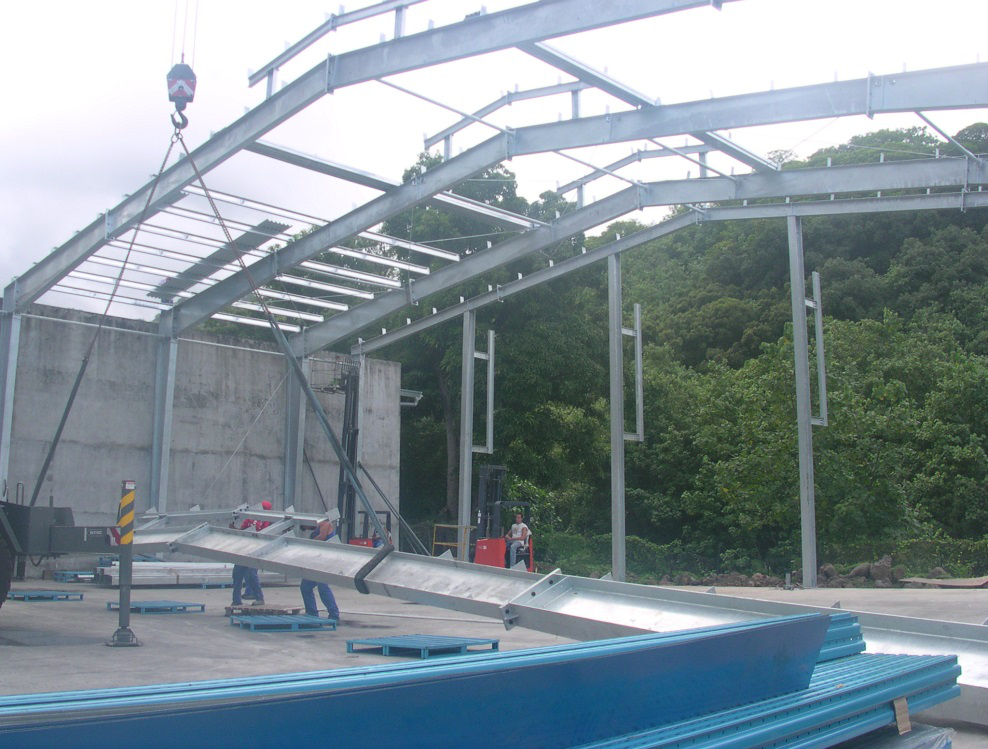
steel structure,light steel structure,prefab steel structure,modular house,constructions,workshop
Contact Us
Head Office: 5th Floor,Building A,Darron Center,No.180,Haier Road,Qingdao, 266000,China
Tel: 0086-532-88966982 88965892 Fax:0086-532-88965571
WhatsApp:+86 13793209022
Mobile/Wechat:+86-15166671720
Email: sales@lidajituan.com Website: www.lidajituan.com
Alternate Website: www.lidamodularhouse.com

Head Office: 5th Floor,Building A,Darron Center,No.180,Haier
Road,Qingdao, 266000,China
Tel: 0086-532-88966982 88965892
Fax:0086-532-88965571
Email: sales@lidajituan.com
Website: www.lidajituan.com
Wechat/WhatsApp:+86-13793209022
Copyright(c)2023 All Rights Reserved SEO Business license