
Tel: 0086-532-88966982
0086-532-88965892
Website: www.lidajituan.com
E-mail: sales@lidajituan.com
Head office: 5th Floor, Building A, Darron Center, 180 Haier Road, Qingdao, 266000, China
Light Steel Structure vs. Traditional Constructions for Mining Workshops
Classification:Industry News
Release time:2025-03-28 13:14
Light Steel Structure vs. Traditional Constructions for Mining Workshops
Introduction: The Evolution of Mining Infrastructure
In the copper-rich deserts of Chile and the icy tundras of Canada’s Northwest Territories, mining companies face a critical choice: Should they build workshops using traditional constructions like concrete and timber, or embrace the agility of light steel structures? As the mining industry pivots toward sustainability and cost efficiency, this debate has never been more urgent. This article dissects the strengths, weaknesses, and real-world applications of both methods, offering data-driven insights for decision-makers in mining, oil&gas, and heavy industries.
1. What Defines Light Steel Structure and Traditional Construction?
Light Steel Structure (LSS)
- Materials: Cold-formed galvanized steel sections (1–3mm thickness).
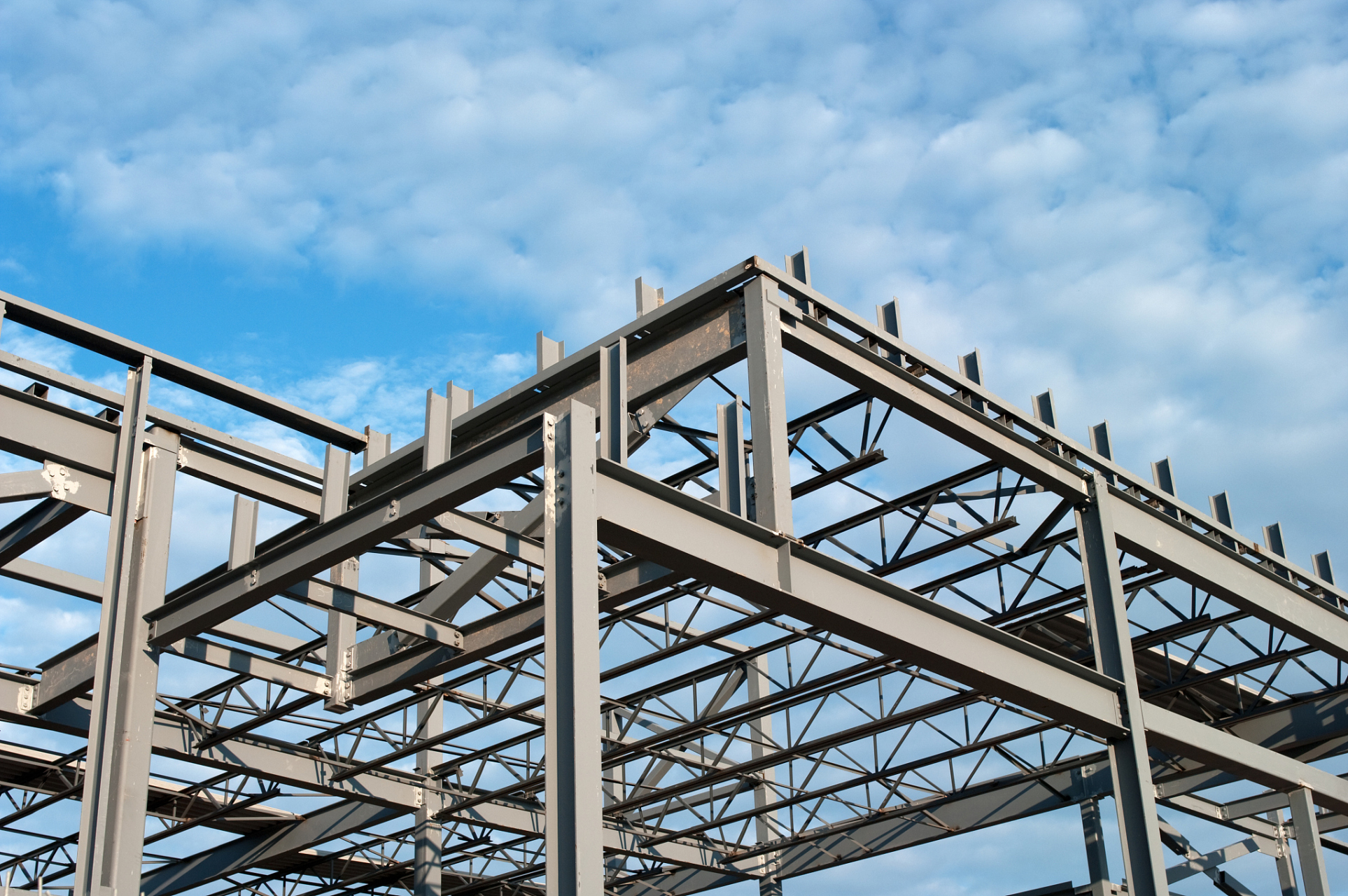
- Design: Pre-engineered components assembled on-site; ideal for modular house and steel structure workshop projects.
- Key Features: Lightweight (30–50% lighter than traditional builds), corrosion-resistant, and recyclable.
Traditional Construction
- Materials: Reinforced concrete, masonry, or heavy timber.
- Design: Built entirely on-site with wet trades (e.g., pouring concrete, bricklaying).
- Key Features: High thermal mass, familiarity among contractors, and perceived durability.
2. Head-to-Head Comparison for Mining Workshops
A. Construction Speed
- LSS: Prefabricated panels reduce build time by 40–60%. A 5,000 sq. ft. steel structure workshop can be completed in 8–12 weeks.
- Traditional: Requires 6–12 months due to curing concrete and weather delays.
Case Study: Rio Tinto’s Pilbara iron ore mine replaced a collapsed concrete workshop with a light steel structure in 10 weeks, avoiding $2.8M in lost productivity.
B. Durability in Harsh Environments
- LSS:
- Resists corrosion via galvanization (zinc coatings of 275 g/m²).
- Withstands seismic activity up to 7.5 Richter (base-isolated designs).
- Traditional:
- Concrete cracks in freeze-thaw cycles (common in Canada’s diamond mines).
- Timber rots in humid regions like Indonesia’s Grasberg copper mine.
Data Point: LSS workshops at Barrick Gold’s Pueblo Viejo mine (Dominican Republic) showed 80% lower maintenance costs over 5 years vs. concrete.
C. Cost Efficiency
| Cost Factor | Light Steel Structure | Traditional Construction |
|---|---|---|
| Material Costs | 70/sq. ft. | 120/sq. ft. |
| Labor Costs | 30% lower (prefab panels) | High (skilled masons needed) |
| Lifespan | 30–50 years | 20–40 years |
| Energy Efficiency | 40% better insulation | 10–20% better thermal mass |
Source: Global Mining Sustainability Council, 2023
3. The Modular Advantage: Flexibility for Mining Needs
Light steel structures seamlessly integrate with modular house and prefab house systems, enabling:
- Rapid Expansion: Add workshop bays as mining operations scale.
- Relocation: Disassemble and move structures to new pits (e.g., Newmont’s Ahafo mine in Ghana).
- Customization: Bolt-on compartments for hazardous material storage or equipment repair zones.
Innovation Spotlight: BHP’s Olympic Dam mine uses LSS workshops with retractable roofs for natural ventilation, cutting HVAC costs by 35%.
4. Traditional Construction’s Last Stand: Where It Still Wins
Despite LSS dominance, traditional methods prevail in specific scenarios:
- Blast Resistance: Thick concrete walls (1.5m+) for explosive storage in oil&gas and mining.
- Cultural Preferences: Regions like South Africa’s platinum belt favor brick-and-mortar for perceived permanence.
- Low-Tech Sites: Remote areas lacking skilled labor for steel assembly.
5. Environmental Impact: Steel vs. Concrete
- Carbon Footprint:
- LSS: 12 kg CO2/sq. ft. (recycled steel + solar-powered factories).
- Traditional: 22 kg CO2/sq. ft. (cement production accounts for 8% of global emissions).
- Recyclability:
- 90% of steel is recycled vs. 20% of concrete.
- Timber’s reuse potential depends on degradation.
Case Study: Anglo American’s Mogalakwena mine (South Africa) cut embodied carbon by 45% using LSS workshops.
6. Oil & Gas Cross-Over: Lessons for Mining
While focused on mining, LSS principles benefit oil&gas:
- Offshore Workshops: Lightweight steel modules reduce platform load (Shell’s Prelude FLNG).
- Corrosion Control: Graphene-coated steel resists salt spray in Gulf of Mexico rigs.
- Mobility: Prefab LSS warehouses store drilling gear at fracking sites, relocated as wells dry.
7. The Verdict: When to Choose LSS or Traditional
- Choose LSS If:
- Speed, flexibility, and corrosion resistance are priorities.
- Operating in seismic zones or extreme climates.
- Targeting LEED or net-zero certifications.
- Choose Traditional If:
- Blast resistance or cultural preferences dominate.
- Local labor lacks steel assembly expertise.
Conclusion: Steel’s Reign in the Mining Frontier
The era of slow, carbon-heavy traditional constructions is waning. For mining giants navigating climate mandates and cost pressures, light steel structures offer a future-proof path—blending speed, sustainability, and smart design. As one project manager at Freeport-McMoRan’s Cerro Verde mine remarked, “Our steel workshops aren’t just buildings; they’re profit multipliers.” In the race to modernize mining infrastructure, steel isn’t just an option—it’s the blueprint.
steel structure,workshop,warehouse,constructions
Contact Us
Head Office: 5th Floor,Building A,Darron Center,No.180,Haier Road,Qingdao, 266000,China
Tel: 0086-532-88966982 88965892 Fax:0086-532-88965571
WhatsApp:+86 13793209022
Mobile/Wechat:+86-15166671720
Email: sales@lidajituan.com Website: www.lidajituan.com
Alternate Website: www.lidamodularhouse.com

Head Office: 5th Floor,Building A,Darron Center,No.180,Haier
Road,Qingdao, 266000,China
Tel: 0086-532-88966982 88965892
Fax:0086-532-88965571
Email: sales@lidajituan.com
Website: www.lidajituan.com
Wechat/WhatsApp:+86-13793209022
Copyright(c)2023 All Rights Reserved SEO Business license