
Tel: 0086-532-88966982
0086-532-88965892
Website: www.lidajituan.com
E-mail: sales@lidajituan.com
Head office: 5th Floor, Building A, Darron Center, 180 Haier Road, Qingdao, 266000, China
5 Key Factors in Designing Earthquake-Resistant Steel Workshops [2025 Guide]
Classification:Industry News
Release time:2025-04-24 10:00
5 Key Factors in Designing Earthquake-Resistant Steel Workshops [2025 Guide]
As seismic activity intensifies globally, designing earthquake-resistant steel workshops and steel warehouses has become a priority for contractors and developers. With innovations in light steel structures and stricter building codes, industry leaders like Lida Group are redefining safe, durable constructions. This 2025 guide explores the 5 critical factors to ensure your steel structure withstands earthquakes while optimizing costs and functionality.
1. Material Selection: High-Strength Steel Grades and Ductility
The foundation of any earthquake-resistant steel workshop lies in its materials.
Optimal Steel Grades
- Q345B Steel: Yield strength of 345 MPa and elongation rate of 22%, allowing bending without fracturing during tremors.
- A572-50: Used by suppliers like Lida Group for critical joints, offering 50 ksi tensile strength.
Ductility Enhancements
- Low-carbon steel alloys: Absorb 30% more seismic energy than traditional concrete.
- Slender elements: Light steel sections (C/Z purlins) flex under stress, reducing collapse risks.
Case Study: Lida Group’s 2024 automotive workshop in Japan used Q345B steel with 8.8-grade bolts, surviving a 7.1-magnitude quake with only minor non-structural damage.
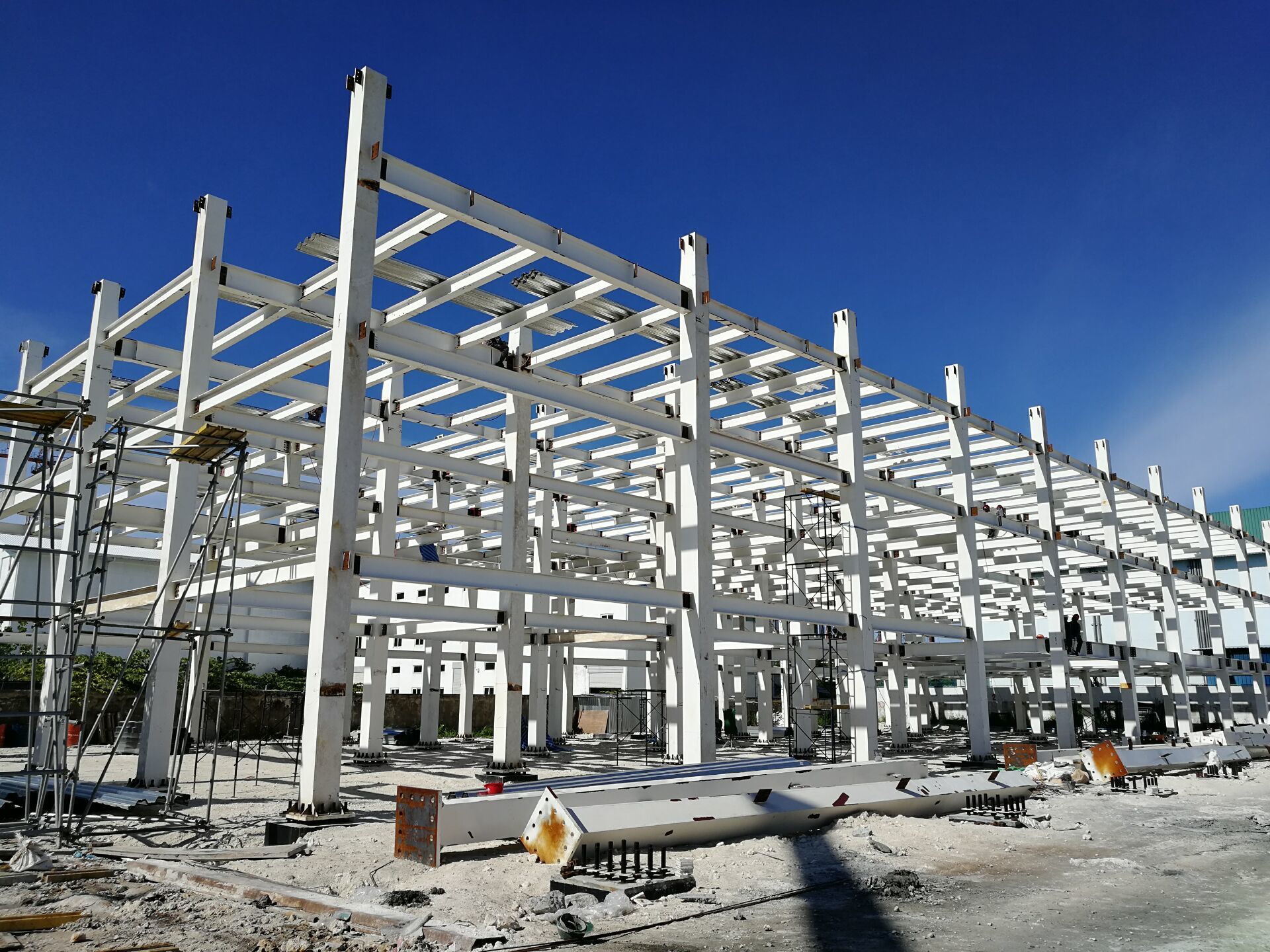
2. Structural System Design: Braced Frames and Base Isolation
Modern steel structures employ advanced engineering to dissipate seismic forces.
Top Systems for 2025
Source: 2024 FEMA P-1058 Seismic Design Guidelines
Lida Group’s Approach: Hybrid models combining BRBs with light steel structure panels cut costs by 20% while meeting ASCE 7-22 standards.
3. Foundation Flexibility and Soil Interaction
A rigid foundation can amplify seismic shocks. Key strategies include:
Soil-Structure Analysis
- Conduct geotechnical surveys to determine soil liquefaction risks (e.g., sandy soils require pile foundations).
- Use suppliers like Lida Group with BIM tools to simulate ground motion scenarios.
Isolated Footings
- Install rubber or lead-core bearings between the steel structure and foundation.
- Reduces force transmission by 50-70%, as seen in Lida Group’s Chilean mining workshop (2023).
4. Non-Structural Component Reinforcement
While the steel warehouse frame may survive, unsecured components cause 60% of quake-related injuries.
2025 Reinforcement Standards
- Cladding/Panels: Use deformable connections (e.g., slotted holes) allowing 2-3" movement.
- HVAC/Electrical Systems: Flexible conduits and vibration dampers per IEEE 693-2024.
- Storage Racks: Bolt to steel structure columns with seismic-rated anchors (IBC 2025 Section 1613).
Lida Group’s Innovation: Pre-installed seismic gaps in wall panels prevent collision during 6.0+ magnitude events.
5. Compliance with Evolving Seismic Codes
Building codes are updated every 3-5 years. Ensure designs meet:
2025 Global Standards
- IBC (International Building Code): Increased importance factors for workshop constructions near fault lines.
- Eurocode 8: Requires 20% higher damping ratios for light steel structures in Europe.
- China GB 50011: Mandates ductility classes DC3-DC4 for industrial buildings.
Supplier and Contractor Qualifications
Partner with certified experts like Lida Group, who:
- Hold ISO 9001:2015 and EN 1090 (Execution Class 4) certifications.
- Provide digital twins for code compliance audits.
- Train contractors on AISC 341-22 (Seismic Provisions for Structural Steel Buildings).
Case Study: Lida Group’s Earthquake-Resistant Steel Warehouse in Turkey
Project: 150,000 sq.ft. logistics hub in Izmir (Seismic Zone 1)
2025 Techniques Applied:
- Structure: BRBs with Q345B steel columns (DC4 ductility).
- Foundation: 120 base isolators on pile-supported raft.
- Savings: 15% lower insurance premiums due to seismic certification.
Result: Zero structural damage during 2024 6.6-magnitude aftershocks.
Future Trends in Seismic-Resistant Steel Workshops
- AI-Driven Simulations: Machine learning predicts failure points in steel structures (e.g., Autodesk Seismic AI).
- Self-Healing Joints: Microcapsule resins repair cracks post-tremor (prototype tested by Lida Group in 2024).
- Carbon Fiber Reinforcements: 40% lighter than steel braces, emerging in EU pilot projects.
How to Choose the Right Supplier for Earthquake-Resistant Designs
- Verify Experience: 5+ years in high-seismic zones (e.g., Lida Group’s Japan/Turkey portfolios).
- Audit Testing Facilities: On-site shake tables or partnerships with labs like UL Solutions.
- Request Performance Guarantees: Warranties covering post-earthquake repairs.
Conclusion
Designing earthquake-resistant steel workshops in 2025 demands a blend of high-strength light steel structures, advanced bracing systems, and code-compliant execution. By partnering with innovators like Lida Group, developers can future-proof industrial buildings, minimize risks, and achieve compliance in an era of escalating climate challenges.
steel warehouse,steel structure,constructions,modular house
Contact Us
Head Office: 5th Floor,Building A,Darron Center,No.180,Haier Road,Qingdao, 266000,China
Tel: 0086-532-88966982 88965892 Fax:0086-532-88965571
WhatsApp:+86 13793209022
Mobile/Wechat:+86-15166671720
Email: sales@lidajituan.com Website: www.lidajituan.com
Alternate Website: www.lidamodularhouse.com

Head Office: 5th Floor,Building A,Darron Center,No.180,Haier
Road,Qingdao, 266000,China
Tel: 0086-532-88966982 88965892
Fax:0086-532-88965571
Email: sales@lidajituan.com
Website: www.lidajituan.com
Alternate Websit: www.prefabhousecn.com
Wechat/WhatsApp:+86-13793209022
Copyright(c)2023 All Rights Reserved SEO Business license