
Tel: 0086-532-88966982
0086-532-88965892
Website: www.lidajituan.com
E-mail: sales@lidajituan.com
Head office: 5th Floor, Building A, Darron Center, 180 Haier Road, Qingdao, 266000, China
Cost-Effective Container Building Designs for Remote Constructions
Classification:Industry News
Release time:2025-03-29 00:00
Cost-Effective Container Building Designs for Remote Constructions
Introduction
Remote construction projects—whether in the frozen tundras of Siberia, the arid deserts of the Middle East, or the dense jungles of South America—demand solutions that balance affordability, durability, and logistical feasibility. Traditional building methods often fail in these environments due to high transportation costs, labor shortages, and harsh climatic conditions. Enter container building designs: a revolutionary approach leveraging repurposed shipping containers to create modular house and prefab house structures that slash costs while accelerating project timelines. This article explores how cost-effective container designs are transforming remote constructions in industries like oil&gas and mining, offering scalable, sustainable, and resilient infrastructure where it’s needed most.
1. The Challenges of Building in Remote Locations
Remote sites present unique hurdles:
- Logistical Complexity: Transporting materials to inaccessible areas can consume 30–50% of project budgets.
- Labor Shortages: Skilled workers are scarce in regions like the Australian Outback or Alaska’s North Slope.
- Environmental Extremes: Structures must endure temperature swings, heavy snowfall, or corrosive saltwater.
For mining camps or oil&gas drilling sites, delays or cost overruns can jeopardize entire operations. Container-based designs address these challenges head-on by minimizing on-site labor, maximizing prefabrication, and using standardized components.
2. How Container Buildings Cut Costs
A. Reduced Material Waste
Shipping containers are mass-produced, standardized units (typically 20ft or 40ft), which eliminates the need for custom foundations or framing. Their steel skeletons require minimal modification, reducing material waste by up to 60% compared to traditional builds.
Case Study: A mining company in Chile saved $220,000 on a 12-unit worker camp by repurposing decommissioned containers instead of importing bricks and cement.
B. Faster Assembly Times
Prefab house modules are manufactured off-site with pre-installed electrical, plumbing, and insulation systems. On-site assembly takes days, not months. For example, Lida Group’s modular designs reduced construction time for a Canadian Arctic research station by 70%.
C. Lower Transportation Costs
Containers are designed for global shipping. Their stackable, compact form cuts freight expenses—critical for remote constructions. Flat-pack designs (where walls and roofs fold for transport) further optimize space.
3. Key Design Strategies for Cost Efficiency
A. Modularity and Scalability
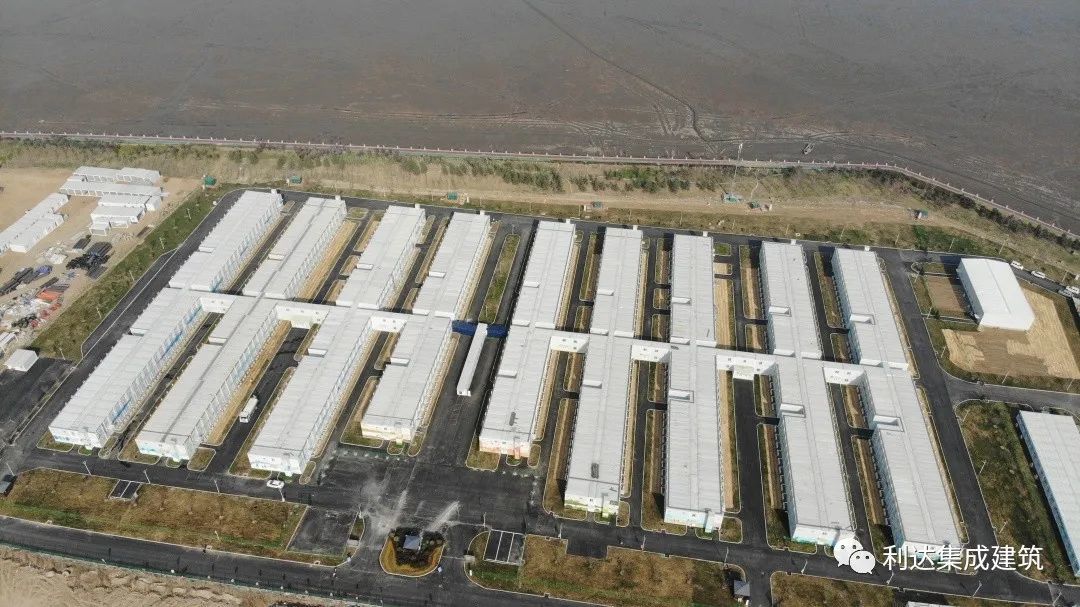
Modular house systems allow incremental expansion. A basic office container can evolve into a multi-story complex by adding units horizontally or vertically. Karmod’s mining camp designs, for instance, use interlocking mechanisms to connect dormitories, kitchens, and clinics without welding.
B. Lightweight yet Durable Materials
- Walls: Composite panels with aluminum-zinc coatings resist rust and reduce weight.
- Insulation: Spray foam or recycled denim insulation maintains thermal efficiency without bulky materials.
- Foundations: Screw piles or gravel pads replace expensive concrete slabs, ideal for permafrost or sandy soils.
C. Energy-Saving Innovations
- Solar panels integrated into container roofs power off-grid sites.
- Passive cooling designs (e.g., shaded ventilation gaps) cut HVAC costs in hot climates.
4. Industry Applications: Oil & Gas and Mining
A. Mining Camps
Modular container camps provide:
- Worker Housing: Stackable 20ft units with ensuite bathrooms and foldable furniture.
- Storage: Secure, weatherproof units for equipment and explosives.
- Workshops: Customizable spaces for machinery repairs.
In Mali’s goldfields, a container building camp reduced setup costs by 45% while withstanding 50°C heat and sandstorms.
B. Oil & Gas Field Operations
- Mobile Offices: Office container units with explosion-proof wiring serve as command centers.
- Temporary Labs: Lightweight labs for soil and fluid analysis in remote drilling sites.
- Worker Amenities: Modular cafeterias and gyms to boost morale during long rotations.
BP’s Alaskan pipeline project used prefab container units to house 200 workers, cutting accommodation costs by $1.2 million annually.
5. Cost Comparison: Containers vs. Traditional Builds
| Expense Category | Container Building | Traditional Construction |
|---|---|---|
| Materials | 100 per sq. ft. | 250 per sq. ft. |
| Labor | 20–30% lower (prefab reduces on-site work) | Higher due to skilled labor demands |
| Transportation | 5,000 per container | $10,000+ for bulk materials |
| Timeline | 4–8 weeks | 6–12 months |
Source: Modular Building Institute, 2023
6. Sustainability: An Added Bonus
Beyond cost savings, container buildings align with ESG goals:
- Recycling: Over 3 million unused shipping containers sit in ports globally—repurposing them reduces steel waste.
- Energy Efficiency: Insulated containers consume 25–40% less energy for heating/cooling.
- Low Carbon Footprint: Prefab processes generate 50% less CO2 than conventional builds.
7. Overcoming Perceptions: Debunking Container Building Myths
Myth 1: “Containers are cramped and uncomfortable.”
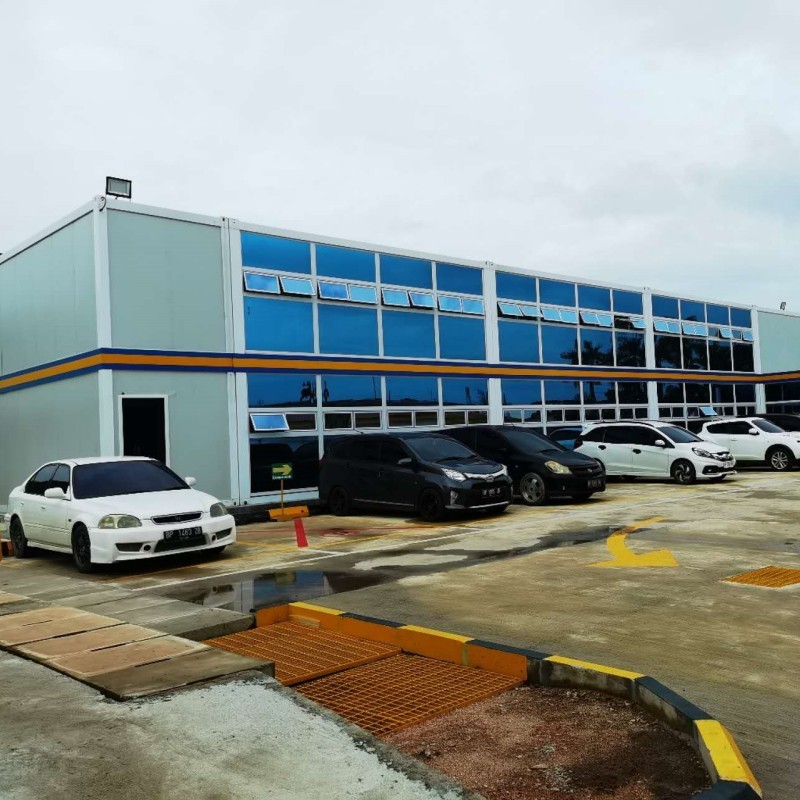
Reality: Creative designs merge multiple units into spacious layouts. For example, removing side walls creates open-plan offices or communal areas.
Myth 2: “They’re only for temporary use.”
Reality: With proper maintenance, steel-framed containers last 25+ years. The UK’s Container City in London has housed businesses since 2001.
8. Future Trends in Remote Container Construction
- AI-Driven Design: Algorithms optimize container layouts for cost, space, and energy use.
- 3D-Printed Add-Ons: Custom doors, windows, or partitions printed on-site.
- Hybrid Systems: Combining containers with local materials (e.g., bamboo or adobe) for cultural relevance.
Conclusion
Cost-effective container building designs are rewriting the rules of remote constructions, offering a pragmatic solution for industries like oil&gas and mining where budgets, timelines, and environmental resilience are paramount. By embracing modular house and prefab house principles, companies can deploy durable, scalable, and sustainable infrastructure anywhere on the planet—without breaking the bank. As technology advances and global industries push into frontier regions, container-based architecture will remain a cornerstone of efficient, innovative construction.
modular house,office container,mining,container building
Contact Us
Head Office: 5th Floor,Building A,Darron Center,No.180,Haier Road,Qingdao, 266000,China
Tel: 0086-532-88966982 88965892 Fax:0086-532-88965571
WhatsApp:+86 13793209022
Mobile/Wechat:+86-15166671720
Email: sales@lidajituan.com Website: www.lidajituan.com
Alternate Website: www.lidamodularhouse.com

Head Office: 5th Floor,Building A,Darron Center,No.180,Haier
Road,Qingdao, 266000,China
Tel: 0086-532-88966982 88965892
Fax:0086-532-88965571
Email: sales@lidajituan.com
Website: www.lidajituan.com
Wechat/WhatsApp:+86-13793209022
Copyright(c)2023 All Rights Reserved SEO Business license