
Tel: 0086-532-88966982
0086-532-88965892
Website: www.lidajituan.com
E-mail: sales@lidajituan.com
Head office: 5th Floor, Building A, Darron Center, 180 Haier Road, Qingdao, 266000, China
Custom Steel Structure Workshops: Prefab Designs for Oil & Gas Efficiency
Classification:Industry News
Release time:2025-03-30 13:00
Custom Steel Structure Workshops: Prefab Designs for Oil & Gas Efficiency
Introduction: Redefining Efficiency in Oil & Gas Infrastructure
When Hurricane Harvey struck the Gulf of Mexico in 2017, a major oil refinery’s traditional workshop collapsed, halting operations for months and costing $200M in losses. This disaster underscored a harsh reality: oil&gas infrastructure must evolve. Enter custom steel structure workshops—prefab designs engineered for extreme environments, rapid deployment, and operational efficiency. This article explores how these innovative structures are transforming maintenance, storage, and safety protocols for energy giants, offering unmatched durability and adaptability in an industry where downtime is measured in millions per hour.
1. Why Oil & Gas Demands Custom Steel Workshops
The oil&gas sector operates in some of Earth’s most punishing environments:
- Offshore Rigs: Saltwater corrosion, hurricane-force winds, and limited space.
- Desert Refineries: 50°C heat, sandstorms, and seismic activity.
- Arctic Sites: -40°C temperatures and permafrost instability.
Traditional constructions like concrete or timber crack, corrode, or collapse under these conditions. Custom steel structure workshops address these challenges with:
- Prefabrication: 70–80% built off-site, slashing on-site labor and timelines.
- Corrosion Resistance: Hot-dip galvanized steel (275g/m² zinc coating) and graphene-enhanced paints.
- Modular Flexibility: Bolt-on expansions for evolving project needs.
2. Engineering Excellence: Anatomy of a Custom Steel Workshop
A. Military-Grade Materials
- Frame: High-tensile S355 steel columns, cold-formed for precision and load-bearing capacity (up to 1,500 kg/m²).
- Walls: Composite panels with rock wool insulation (fire rating: A60) and magnesium oxide boards.
- Roof: Sloped galvanized sheets with ceramic coatings to reflect heat and prevent ice buildup.
B. Safety-by-Design Features
- Blast Resistance: Reinforced frames and explosion vents rated for 3 psi overpressure (API RP 752).
- Fireproofing: Intumescent coatings that expand under heat, sealing structural joints.
- Ventilation: ATEX-certified systems to disperse flammable vapors in confined zones.
Case Study: Chevron’s Permian Basin project deployed a 10,000 sq. ft. steel workshop in 8 weeks, reducing equipment maintenance downtime by 40%.
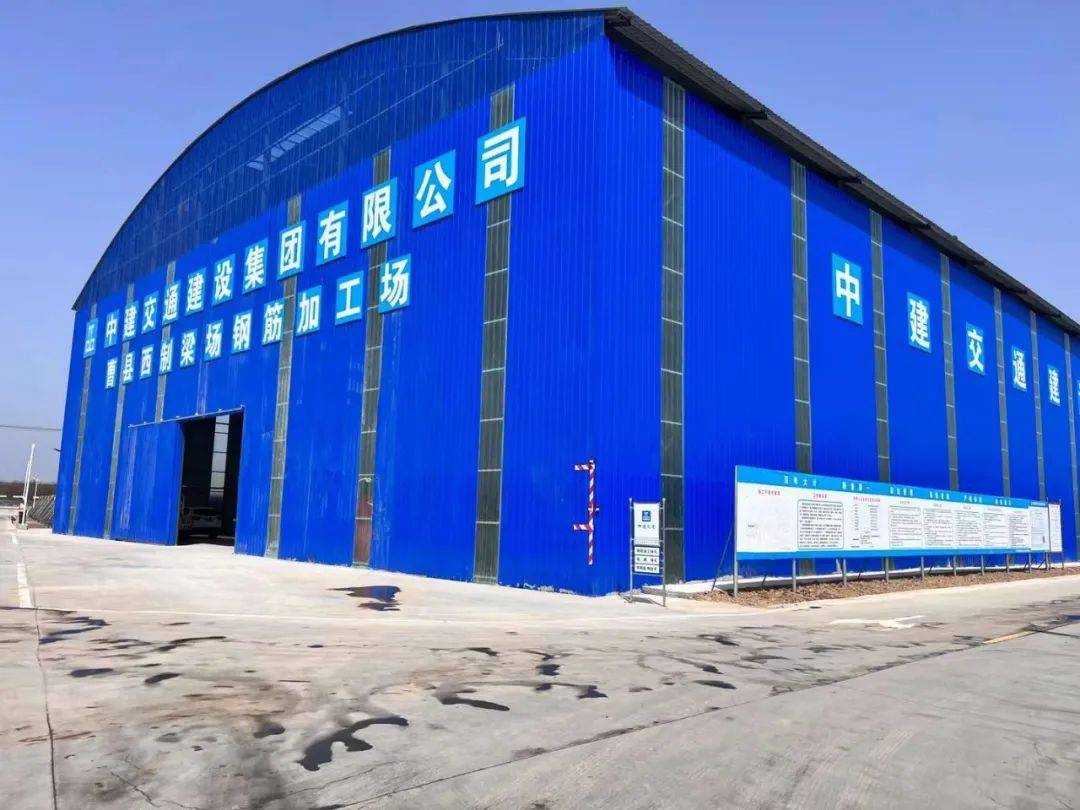
3. Prefab Efficiency: Speed vs. Traditional Builds
| Factor | Custom Steel Workshop | Traditional Workshop |
|---|---|---|
| Construction Time | 8–12 weeks | 9–18 months |
| Cost per Sq. Ft. | 90 | 150 |
| Maintenance Cost/Year | 7/sq. ft. | 20/sq. ft. |
| Relocation Cost | 30,000 | $200,000+ (often abandoned) |
| Lifespan | 40+ years | 20–30 years |
Source: Global Energy Facilities Report, 2024
4. Case Study: Shell’s North Sea Offshore Innovation
Challenge: Build a workshop on a cramped offshore platform prone to salt spray and methane leaks.
Solution:
- Modular Design: Prefab sections assembled onshore and airlifted for installation.
- Corrosion Defense: Zinc-nickel alloy coatings and dehumidification systems.
- Smart Safety: IoT sensors detecting gas leaks and structural stress in real-time.
Results: - Zero corrosion-related repairs in 5 years.
- 30% faster equipment servicing, boosting production uptime.
- Passed DNV and UK HSE inspections with zero non-compliance issues.
5. Mining Cross-Over: Shared Engineering Principles
While tailored for oil&gas, custom steel workshops benefit mining:
- Dust Control: Sealed panel joints prevent silica ingress in gold processing zones.
- Arctic Adaptability: Insulated floors prevent permafrost thaw (tested in Norilsk Nickel’s Siberia mines).
- Relocatable Designs: Skid-mounted units follow mineral exploration shifts.
6. Compliance: Meeting Global Standards
Custom steel workshops are engineered to exceed key regulations:
- API RP 752/753: Blast and fire resistance for onshore/offshore facilities.
- NFPA 101: Life Safety Code for emergency exits and ventilation.
- ISO 12944: Corrosion protection standards for coastal and industrial zones.
- ATEX/IECEx: Explosion-proof electrical systems for hazardous areas.
Certification Checklist:
- Third-party material testing (e.g., ASTM E119 for fire resistance).
- On-site inspections by accredited engineers.
- Documentation of weld integrity and coating thickness.
7. Future Trends: Smarter, Greener, Stronger
- AI-Driven Predictive Maintenance: Machine learning algorithms forecast equipment wear (ExxonMobil’s Permian pilot).
- Green Steel: Hydrogen-reduced steel cuts embodied carbon by 75% (ArcelorMittal’s XCarb® initiative).
- Self-Healing Coatings: Nano-ceramic layers repair scratches (2025 rollout by Tata Steel).
Conclusion: Building the Future of Energy Efficiency
For oil&gas companies, custom steel workshops are more than infrastructure—they’re strategic assets. By merging aerospace-grade engineering with industrial pragmatism, these structures safeguard productivity, compliance, and profits. As one Shell project manager noted, “Our steel workshop isn’t just a building; it’s the backbone of our operational efficiency.” In an industry where risk is inevitable, custom steel isn’t an option—it’s the only path forward.
steel structure workshop,oil&gas efficiency,prefab house designs,mining
Contact Us
Head Office: 5th Floor,Building A,Darron Center,No.180,Haier Road,Qingdao, 266000,China
Tel: 0086-532-88966982 88965892 Fax:0086-532-88965571
WhatsApp:+86 13793209022
Mobile/Wechat:+86-15166671720
Email: sales@lidajituan.com Website: www.lidajituan.com
Alternate Website: www.lidamodularhouse.com

Head Office: 5th Floor,Building A,Darron Center,No.180,Haier
Road,Qingdao, 266000,China
Tel: 0086-532-88966982 88965892
Fax:0086-532-88965571
Email: sales@lidajituan.com
Website: www.lidajituan.com
Wechat/WhatsApp:+86-13793209022
Copyright(c)2023 All Rights Reserved SEO Business license