
Tel: 0086-532-88966982
0086-532-88965892
Website: www.lidajituan.com
E-mail: sales@lidajituan.com
Head office: 5th Floor, Building A, Darron Center, 180 Haier Road, Qingdao, 266000, China
Warehouse Construction Revolution: Lida Group's Steel Structure Supplier Expertise for 2025
Classification:Company News
Release time:2025-09-03 11:25
Warehouse Construction Revolution: Lida Group's Steel Structure Supplier Expertise for 2025
The landscape of industrial logistics is undergoing a seismic shift as e-commerce demands and supply chain complexities render traditional construction methods obsolete. The year 2025 approaches with a clear mandate: warehouses must evolve from static storage facilities into dynamic, intelligent hubs that actively enhance operational efficiency. Lida Group stands at the forefront of this transformation, leveraging their expertise as a premier steel structure supplier to deliver revolutionary warehouse solutions that blend unprecedented speed, sustainability, and technological integration. This revolution transcends mere construction acceleration, representing a fundamental reimagining of how distribution centers function within modern supply chains.
Traditional warehouse construction methodologies struggle to meet contemporary demands. The exponential growth of e-commerce requires clear-span capabilities exceeding 60 meters to accommodate automated storage and retrieval systems. Temperature-controlled environments must maintain ±0.3°C consistency for perishable goods, while robotic navigation systems demand floor flatness tolerances under 3mm/10m. Energy efficiency mandates require 40% reduction in HVAC loads compared to conventional structures, and sustainability goals demand embodied carbon reductions below 500kg CO₂/m². Lida Group addresses these challenges through integrated design-manufacture-installation systems that redefine warehouse construction timelines and performance parameters while maintaining focus on practical operational benefits.
The technological foundation of this revolution lies in computational engineering and advanced materials science. Light steel structure systems utilizing high-strength S550MC steel achieve 45% greater yield strength than traditional materials, enabling column-free spaces that maximize operational flexibility. Computer-optimized truss geometries reduce steel tonnage by 28% while enhancing load capacity, creating structures paradoxically lighter yet stronger than conventional alternatives. Digital twin technology simulates decades of environmental stress before fabrication begins – modeling how seasonal temperature variations affect energy consumption or how seismic events impact structural integrity. This virtual prototyping prevents costly field modifications and ensures facilities perform as engineered from their first day of operation.
Manufacturing precision transforms warehouse quality benchmarks. Robotic welding cells assemble primary frames with 0.2mm tolerances in climate-controlled factories, while automated coating systems apply uniform 300µm zinc-aluminum protection resistant to chemical exposure. CNC machines notch connection points with laser-guided accuracy, creating components with 99.97% interchangeability across global projects. For warehouse facilities requiring millimeter-perfect floor flatness for robotic navigation, laser-guided pouring over optimized steel subframes achieves 3mm/10m tolerances impossible with conventional methods. This manufacturing discipline compresses project timelines by 60% while reducing defects by 92% compared to site-built alternatives, delivering facilities that meet aggressive operational deadlines without compromising quality.
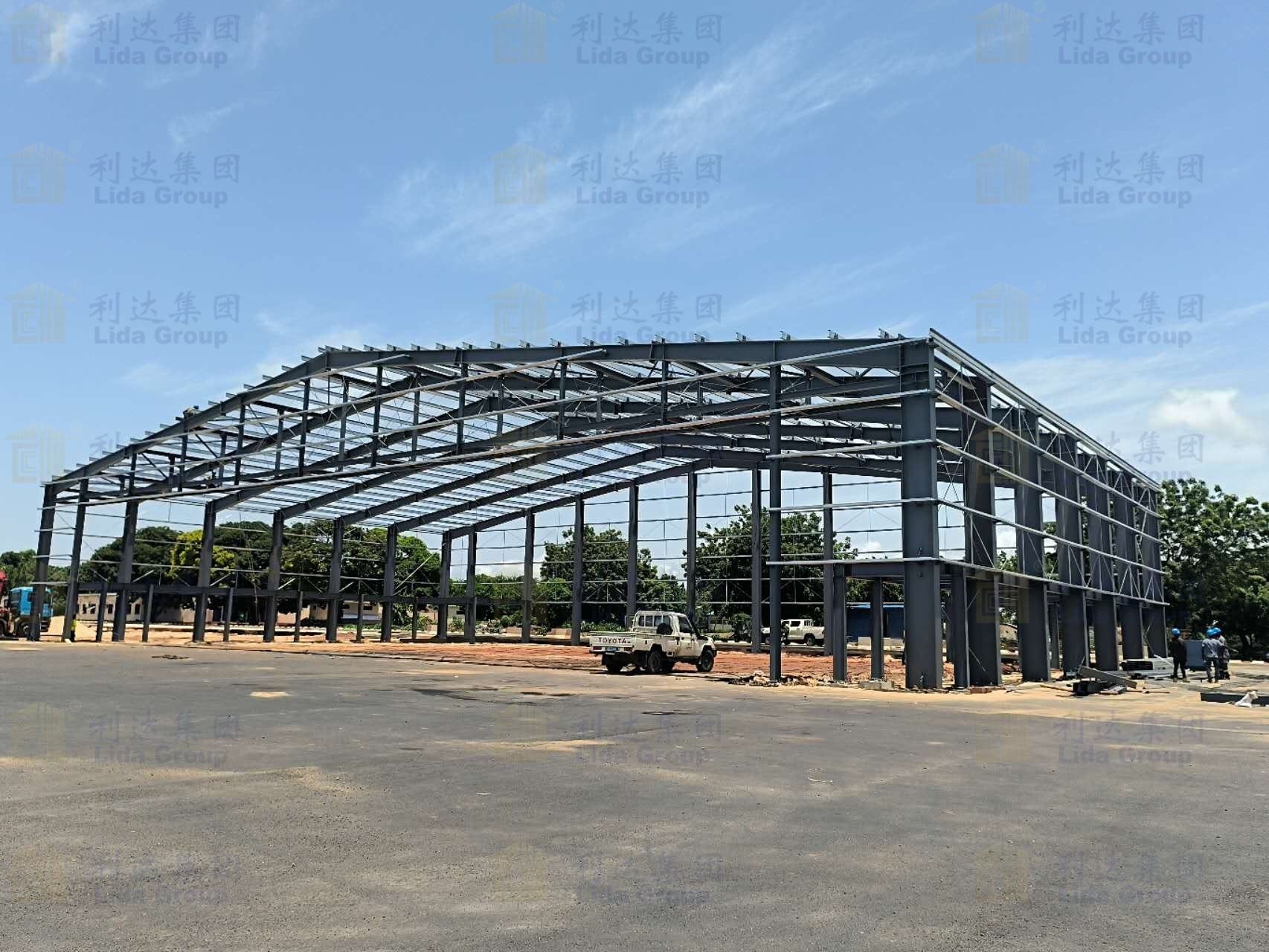
The sustainability integration within modern warehouse designs represents a critical advancement. Optimized steel designs use 30% less material than traditional approaches through algorithmic topology optimization. Solar-ready roofs feature pre-engineered attachment points and concealed conduits, enabling easy installation of photovoltaic systems that can generate 100% of a facility's energy needs. Rainwater harvesting systems incorporate into structural designs, reducing municipal water consumption by 65% at distribution centers. The bolted connection systems enable future disassembly and relocation, creating circular economies where traditional constructions become disposable liabilities. When a decommissioned warehouse was disassembled and rebuilt 300km away with 85% material reuse, the environmental benefits exceeded any new "green" construction through embodied carbon preservation.
Operational technology integration forms another cornerstone of the warehouse revolution. Structural designs accommodate automated storage and retrieval systems requiring clear heights exceeding 30 meters, with roof structures engineered for future drone inventory systems. Conveyor portals pass seamlessly through fire-rated walls, creating continuous material flows that reduce handling time by 65% in integrated operations. IoT infrastructure includes pre-installed conduits for thousands of sensors monitoring everything from inventory levels to energy consumption, while edge computing cabinets integrated into columns process this data in real-time. These technological features transform warehouses from passive storage spaces into intelligent systems that actively optimize supply chain efficiency.
The adaptability of modern steel structure buildings proves particularly valuable for evolving logistics needs. Modular mezzanine systems can be reconfigured without cutting torches, enabling layout changes during weekend shutdowns rather than months-long renovations. Expansion joints designed into foundations anticipate future equipment weight increases, while utility grids enable tool-free addition of power drops as operational needs change. This flexibility extends to mixed-use facilities where warehouse spaces integrate with office container complexes for administrative functions and camp house units for temporary workforce accommodation, creating comprehensive logistics hubs that serve multiple needs within a single integrated development.
Lida Group's distinction as a premier steel structure supplier manifests in their technical rigor and quality assurance protocols. Robotic welding achieves 0.15mm tolerances on critical connections, while coordinate measuring machines verify dimensional accuracy. Non-destructive testing includes ultrasonic examination of welds and magnetic particle inspection. Accelerated corrosion testing simulates decades of exposure, and seismic simulation validates performance beyond code requirements. This quality focus yields structures with 60-year design lives versus 30-40 year industry averages, transforming warehouses from depreciating assets into long-term investments that provide decades of reliable service.
Cross-industry applications demonstrate the versatility of these advanced construction methods. Manufacturing plant facilities benefit from vibration-damped floors protecting sensitive equipment, while workshop areas feature reinforced overhead structures supporting crane systems. Mining camp house installations utilize identical thermal break technologies for Arctic operations, providing habitable environments at -50°C while reducing energy consumption by 63% compared to conventional structures. The same engineering principles that create efficient warehouses also serve diverse industrial needs, proving the adaptability and robustness of modern steel structure construction techniques.
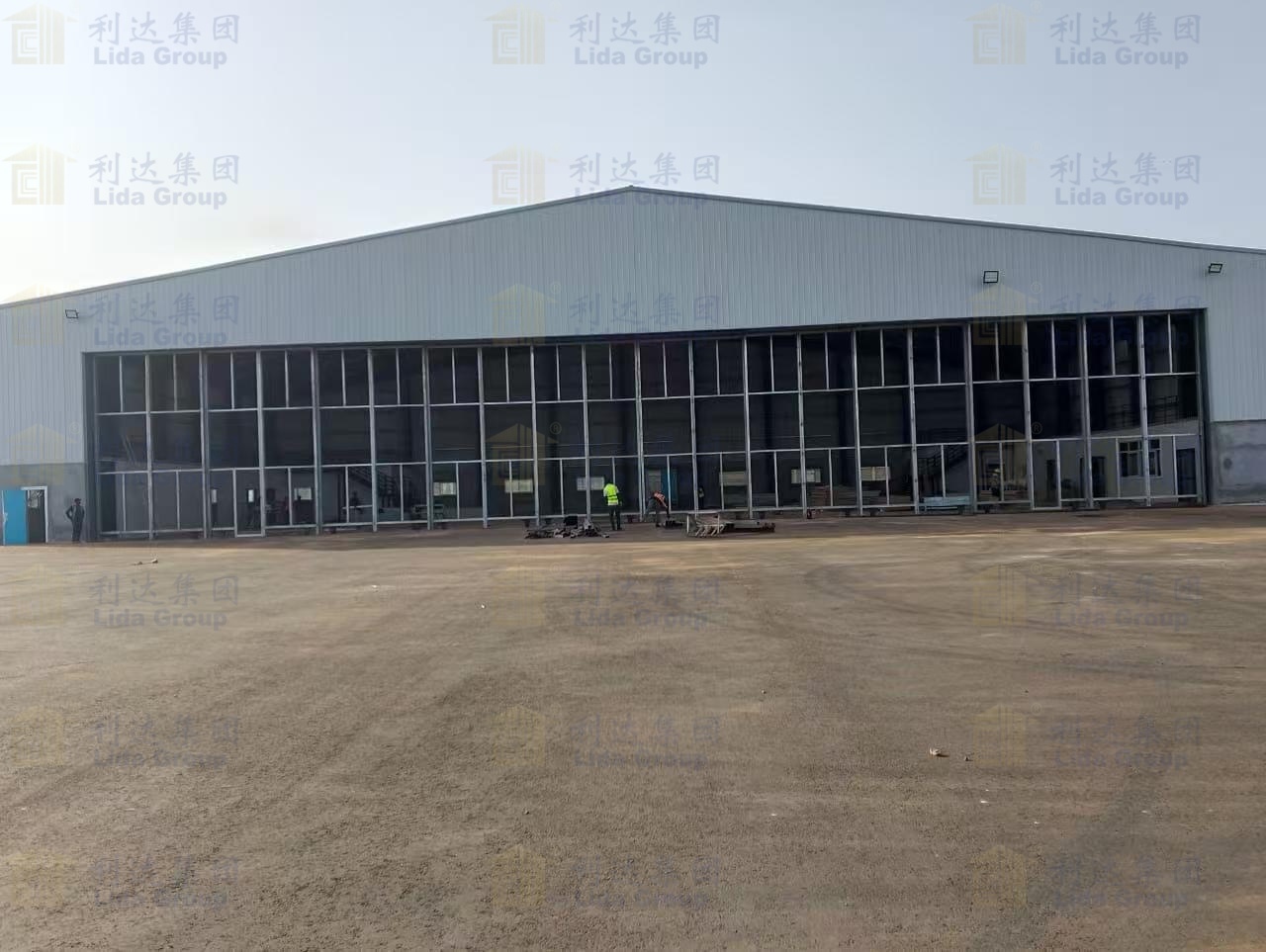
The economic implications of this construction revolution extend beyond initial cost savings to encompass long-term operational advantages. Automated warehouse facilities achieve 99.8% inventory accuracy through structural precision enabling robotic navigation. Energy consumption drops 35% through optimized thermal envelopes and integrated renewable energy systems. Maintenance requirements decrease by up to 60% compared to conventional structures due to durable materials and precision manufacturing. These operational benefits often exceed construction savings, making engineered structures strategic investments rather than capital expenses that deliver ongoing value throughout their extended service lives.
As we look toward 2025, emerging technologies promise further transformation of warehouse construction and operation. Self-monitoring structures with embedded fiber optics detect micro-strains before cracks propagate, enabling predictive maintenance that prevents unexpected downtime. Phase-change materials integrated into roofing systems stabilize temperatures without energy consumption, reducing climate control costs in temperature-sensitive storage environments. Hydrogen-compatible designs incorporate leak detection networks and explosion-ventilated spaces for facilities handling volatile materials. These advancements position steel structure warehouses not as static infrastructure but as evolving platforms that adapt to technological change and changing operational requirements.
The global validation of these advanced construction methods comes from successful projects across diverse environments and applications. Middle Eastern warehouse facilities endure 50°C temperatures with specialized thermal breaks reducing cooling loads by 35%. Coastal distribution centers resist salt spray corrosion through nanocoatings showing less than 0.01mm annual material loss. High-volume e-commerce fulfillment centers maintain operational continuity during extreme weather events through robust structural designs that exceed local building code requirements. Each project demonstrates how engineered solutions outperform conventional construction while delivering superior operational performance in challenging conditions.
In conclusion, the warehouse construction revolution led by Lida Group represents a fundamental shift in how we conceive, build, and operate distribution facilities. Their expertise as a steel structure supplier enables projects that blend unprecedented speed of construction with exceptional quality, sustainability, and technological integration. As we approach 2025, these advanced construction methods offer a clear path forward for logistics operations seeking to enhance efficiency, reduce environmental impact, and future-proof their facilities against evolving supply chain demands. The revolution transforms warehouses from cost centers into strategic assets that actively contribute to operational excellence and competitive advantage in an increasingly complex global marketplace.
steel structure,workshop,constructions,warehouse,light steel structure
Contact Us
Head Office: 5th Floor,Building A,Darron Center,No.180,Haier Road,Qingdao, 266000,China
Tel: 0086-532-88966982 88965892 Fax:0086-532-88965571
WhatsApp:+86 13793209022
Mobile/Wechat:+86-15166671720
Email: sales@lidajituan.com Website: www.lidajituan.com
Alternate Website: www.lidamodularhouse.com

Head Office: 5th Floor,Building A,Darron Center,No.180,Haier
Road,Qingdao, 266000,China
Tel: 0086-532-88966982 88965892
Fax:0086-532-88965571
Email: sales@lidajituan.com
Website: www.lidajituan.com
Wechat/WhatsApp:+86-13793209022
Copyright(c)2023 All Rights Reserved SEO Business license